Business leaders in Burundi have raised concerns over bureaucratic delays, limited access to foreign currency and other operational challenges they say are holding back economic growth, calling on the government to ensure fairer access to foreign exchange for businesses across different sectors.
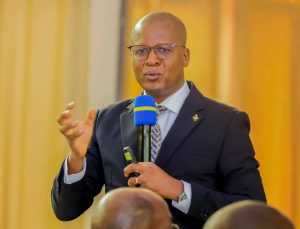
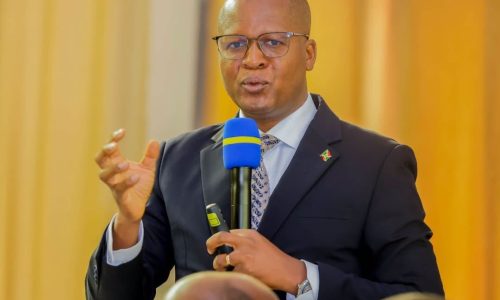
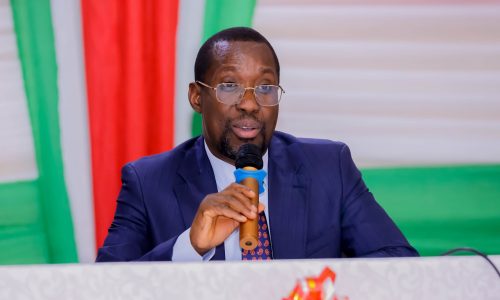
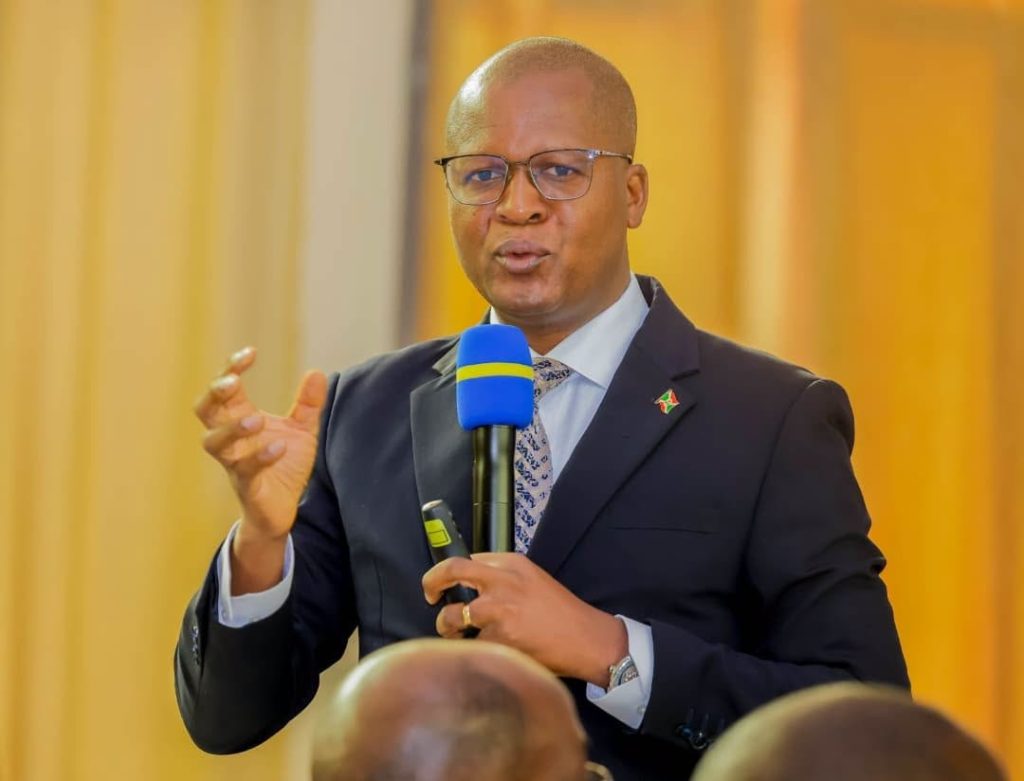
The concerns were raised during a meeting convened by Prime Minister Nestor Ntahontuye in Gitega on Wednesday, November 18, 2026, bringing together business leaders and other economic stakeholders to discuss the challenges facing the country’s economy and identify possible solutions.
Representatives of the livestock sector said difficulties accessing foreign currency were preventing them from importing improved animal breeds needed to strengthen livestock production.
Agricultural operators, meanwhile, complained about the emergence of intermediaries who enter the market after harvest to trade agricultural produce despite not having participated in its production.
Business leaders also pointed to delays in processing applications across government departments. They cited cases involving applications to import fertiliser, where farmers risked missing the planting season while waiting for administrative approval.
They called for foreign currency to be distributed more equitably, arguing that businesses in different sectors need access to the resources required to implement their projects and sustain production.
Speaking at the meeting, Ntahontuye said increasing Burundi’s foreign currency reserves would require stronger export performance, particularly through the sale of locally produced goods to international markets.
He argued that too much investment was going into activities that lead to foreign currency flowing out of the country, rather than into productive sectors capable of generating foreign exchange through exports.
The prime minister urged business leaders to channel more investment into sectors that increase domestic production and strengthen the country’s export capacity.
The discussions come as Burundi continues to face challenges related to foreign currency availability, a constraint affecting businesses’ ability to import essential inputs, expand operations and participate in international trade.
The meeting was intended to bring together government officials and private-sector representatives to examine these challenges and explore measures to support economic activity.