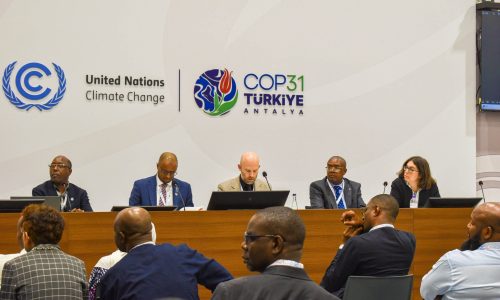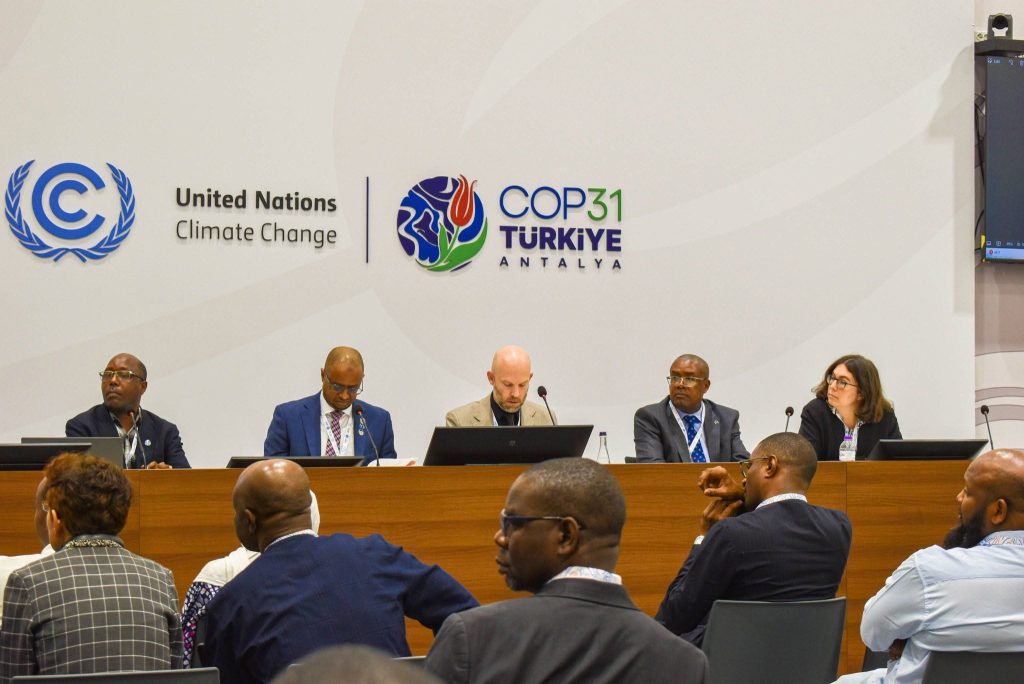
Burundi has called for climate financing mechanisms that address the specific challenges facing its water sector, as countries gathered at the 31st United Nations Climate Change Conference (COP31) to discuss adaptation and investment in climate-resilient water projects.
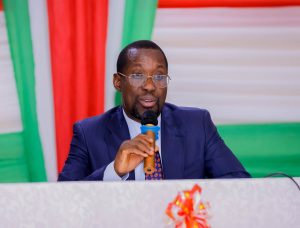
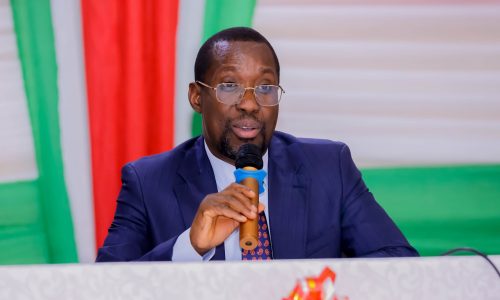
Speaking on November 16, 2026, during discussions on financing mechanisms and the development of bankable climate adaptation projects, Ir. Léonard Butoyi, Assistant to Burundi’s Minister of Environment, Agriculture and Livestock, presented the country’s experience and highlighted the critical role of water resources in the nation’s economy and livelihoods.
Butoyi said water represents both a major national asset and a source of vulnerability as climate change intensifies.
Lake Tanganyika, rivers, wetlands and watersheds support the livelihoods of thousands of people, including fishermen, farmers, women involved in agricultural processing and young entrepreneurs.
However, these vital resources face growing threats from climate-related hazards, including flooding, riverbank erosion, rising water levels and ecosystem degradation.
The discussions highlighted the need to move beyond climate assessments and studies towards the implementation of bankable projects capable of attracting investment and delivering practical solutions.
Burundi reiterated its commitment to developing projects that protect water resources, strengthen community resilience and safeguard the livelihoods of populations dependent on these ecosystems.
The panel also brought together experiences from the Sahel, East Africa, the Lake Victoria basin and the Lake Tanganyika basin, highlighting the importance of regional cooperation in addressing shared water and climate challenges.
For Burundi, the challenge is no longer simply identifying climate risks, but securing the financing needed to turn adaptation plans into concrete action.