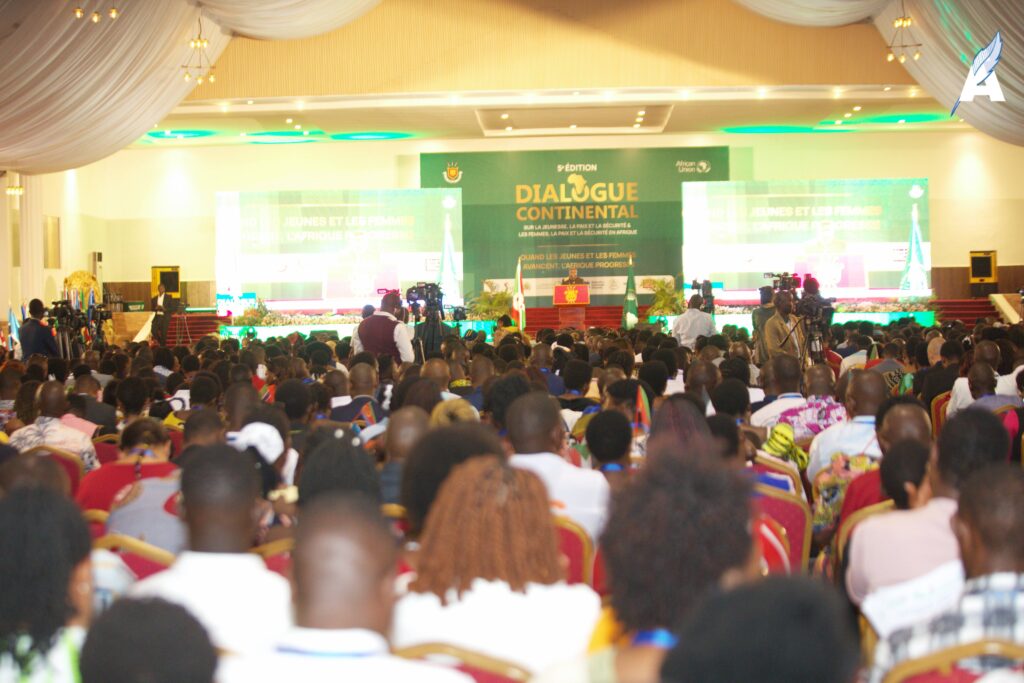
African leaders, policymakers, youth representatives and women’s organizations gathered in Burundi’s economic capital on Monday for the opening of the 5th Continental Dialogue on Youth, Peace and Security, a forum aimed at strengthening the role of young people and women in conflict prevention and sustainable peacebuilding across the continent.
The three-day event, running from August 10 to 12, is being held under the patronage of Burundian President Évariste Ndayishimiye, who currently serves as Chairperson of the African Union. Organized in partnership with the African Union, the dialogue has brought together participants from across Africa at the Presidential Palace in Kiriri.
This year’s discussions are centered on the theme: “Water, Peace and Inclusive Leadership in Africa: Institutionalizing the Strategic Role of Youth and Women in Conflict Prevention, Risk Management and Sustainable Peacebuilding through Responsible Resource Governance.”
Since 2022, Burundi has hosted the continental gathering, gradually positioning Bujumbura as a regional platform for dialogue on peace, security and development issues affecting Africa’s younger generations.
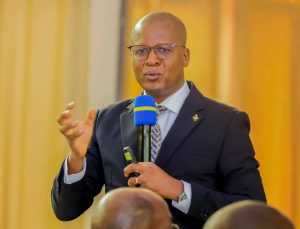
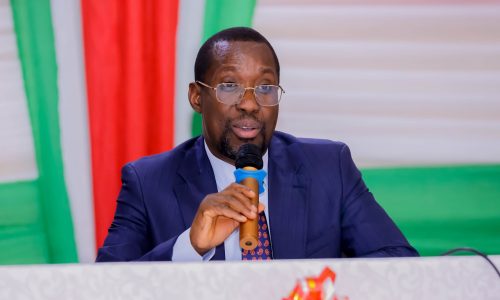
Opening the event, the President of Burundi’s National Youth Council (Conseil National de la Jeunesse au Burundi, CNJB) Dr. Thierry Ingabire, called for a shift from discussions to concrete action, arguing that the challenge is no longer how to mobilize young people and women, but how to institutionalize their role in preventing conflicts, managing crises and strengthening peace.
He urged governments and institutions to recognize youth not merely as beneficiaries of development programs, but as decision-makers, innovators and agents of change capable of addressing poverty, unemployment, skills shortages and food insecurity through entrepreneurship, education and modernized agriculture.
Participants highlighted three key priorities: expanding institutional participation for youth and women, creating more platforms for dialogue, and increasing investments in youth empowerment.
Water Security Linked to Peace and Stability
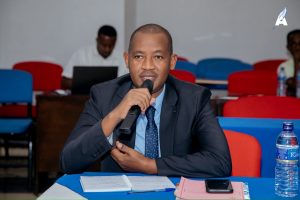
Speaking during the opening session, Emérence Bucumi, President of Burundi’s National Women’s Forum, emphasized that peace extends beyond the absence of conflict.
According to Bucumi, lasting peace depends on equitable management of natural resources, social justice, accountable governance and inclusive participation. She warned that while water can be a source of cooperation and development, scarcity, unequal access and poor resource management can fuel tensions, deepen inequalities and contribute to displacement.
She called for governance models rooted in transparency, solidarity and accountability, in line with the African Union’s Agenda 2063, the Women, Peace and Security agenda, and several Sustainable Development Goals related to water, gender equality, climate action and peace.
Ndayishimiye Urges Youth to Fight Poverty, Not Each Other
Officially opening the dialogue, President Ndayishimiye welcomed delegates to Bujumbura, describing the city as a hub for youth engagement, innovation and peacebuilding.
The Burundian leader underscored the disproportionate burden that water shortages place on women and girls, many of whom travel long distances to collect water, often at the expense of their safety, education and well-being. He said Burundi is working toward ensuring that every household has access to a water point within approximately 15 minutes of home.
Ndayishimiye also urged African leaders and citizens to address the root causes of conflicts, including governance challenges, economic interests and legacies inherited from the colonial era.
In a direct appeal to the continent’s youth, he called on them to unite against poverty rather than engage in divisions and conflicts.
“Africa’s young people should become creators of solutions and entrepreneurs,” he said, stressing that innovation and economic opportunity are essential pillars of peace.
The president also highlighted the importance of education, technology and innovation, arguing that Africa must move beyond being a consumer of technologies developed elsewhere and instead invest in creating homegrown technological solutions tailored to the continent’s realities.
Technology and AI in Focus
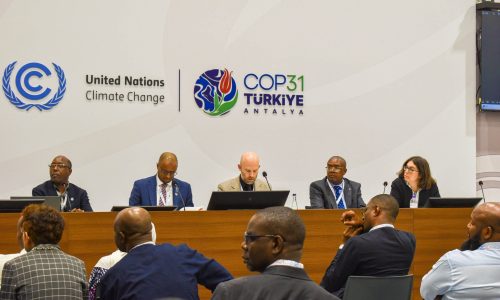
The dialogue featured two high-level panel discussions.
The first examined the relationship between water access and the Youth, Peace and Security and Women, Peace and Security agendas. Participants explored how unequal access to water can heighten vulnerabilities, contribute to population displacement and increase the risk of tensions and conflict.
Speakers argued that young people and women should not be viewed solely as vulnerable groups but as strategic partners in conflict prevention, resource governance and community resilience.
A second panel focused on the role of emerging technologies and artificial intelligence in advancing peace and security initiatives.
Discussions highlighted how digital innovation, AI and education can equip youth and women with the skills needed to engage in conflict prevention, mediation and governance. Participants noted that technology can strengthen early warning systems, support evidence-based policymaking, expand civic participation and improve access to education while making peace and security institutions more inclusive and responsive.
From Beneficiaries to Leaders
Across the discussions, a common message emerged: Africa’s youth and women must move from the margins of policymaking to the center of decision-making processes.
The dialogue will continue through August 12 and conclude with celebrations marking Inkerebutsi Day at Bujumbura’s Public Garden.
Before closing the opening ceremony, President Ndayishimiye thanked Burundian youth, national institutions, development partners, the United Nations, the African Union and international organizations for supporting the initiative. He also proposed the creation of an African day dedicated to recognizing young people who demonstrate courage, innovation and commitment in addressing the continent’s challenges.
As delegates continue their deliberations in Bujumbura, the challenge facing this fifth edition of the dialogue is clear: turning commitments into action by placing water security, inclusion, innovation and meaningful youth and women’s participation at the heart of Africa’s pursuit of lasting peace and sustainable development.