Burundians have been urged to play a greater role in implementing and monitoring the country’s national anti-corruption strategy, with experts warning that removing individual officials will not be enough to address deeply rooted corruption.
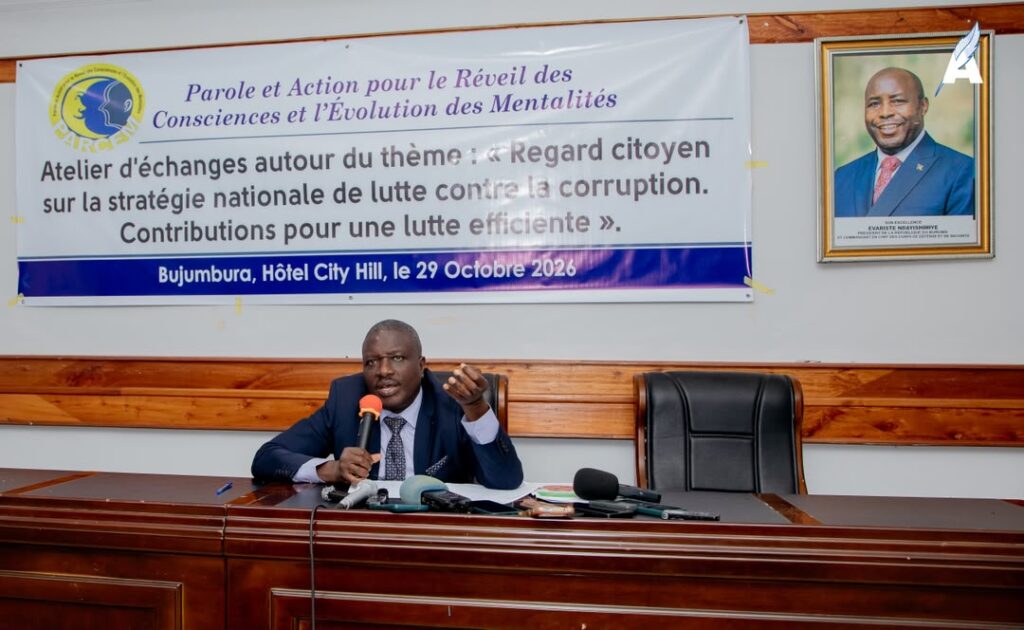
The call was made during a public discussion organized by the anti-corruption organization PARCEM in Bujumbura on Thursday, August 29, 2026 under the theme “Citizens’ Perspective on the National Anti-Corruption Strategy: Contributions Towards an Effective Fight.” The meeting examined public perceptions of the strategy launched by President Évariste Ndayishimiye on October 9, 2026.
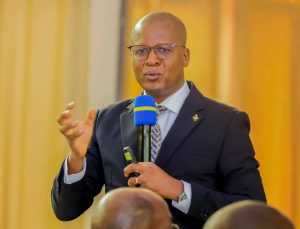
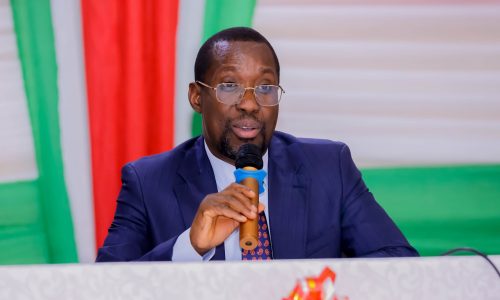
Michel Masabo, a university lecturer and anti-corruption expert, said Burundi needed comprehensive institutional reforms rather than isolated disciplinary measures against individuals accused of corruption.
“Removing one or two people from an entire system will achieve very little. The whole system needs to be dismantled and reformed,” Masabo said, arguing that meaningful change requires addressing the structures that allow corruption to persist.
He called for stronger political commitment, starting at the highest level of government, alongside anti-corruption education in primary schools, effective laws and strict penalties for both those who receive and those who offer bribes.
Masabo also called for decisive action to recover assets acquired through corruption, saying the practice of allowing offenders to return stolen public resources gradually should be brought to an end.
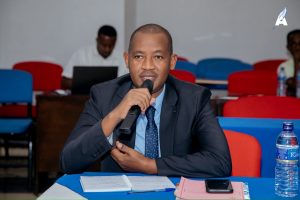
PARCEM president Faustin Ndikumana questioned whether the latest strategy would deliver results, recalling previous government initiatives that failed to produce lasting change.
He cited the zero-tolerance policy introduced in 2010 under the late President Pierre Nkurunziza and the National Development Plan adopted in 2018, among other initiatives.
“Given the level of corruption and mismanagement in the country, Burundi could even collapse,” Ndikumana warned.
He urged the government to publish and distribute a practical document explaining how the new strategy would be implemented and outlining the responsibilities of every citizen.
Ndikumana also highlighted the economic consequences of corruption, including rising prices, abandoned development projects and increasing public expenditure. He noted that Burundi’s national budget had grown from about 1.7 trillion Burundian francs in 2017 to nearly 7 trillion francs.
Former opposition leader Agathon Rwasa questioned why the country’s mineral wealth was not translating into visible improvements in people’s living conditions, calling for stronger oversight of public resources and greater accountability in their management.
Other participants pointed to low public-sector salaries and the rising cost of living as factors that could encourage corrupt practices, while stressing that better remuneration must be accompanied by stronger accountability.
Francis Rohero also questioned the credibility of political actors in leading the fight, arguing that people who contributed to creating a problem should not be the only ones entrusted with solving it. He called for greater involvement of trade unions and citizens with a record of integrity.
The meeting brought together political figures and representatives of different parties, including Léonce Ngendakumana, Jérémie Ngendakumana and Kefa Nibizi.
Participants agreed that fighting corruption requires more than government declarations, calling for collective responsibility, institutional reforms and transparent management of public resources.