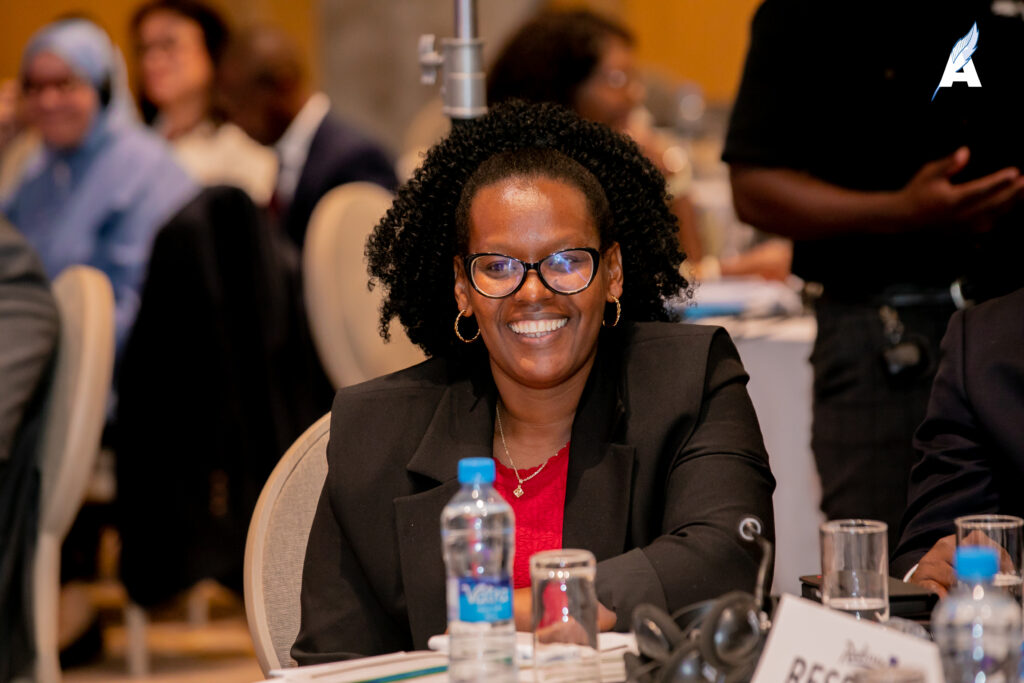
Evelyne Butoyi has been appointed Minister of Communication and Media, marking a significant return to a sector where her professional journey first began. Her nomination comes at a critical time for Burundi, as the country navigates the challenges of digital transformation, misinformation, and the need to strengthen public trust in media institutions.
Born in 1975 in Mugongo-Manga, in Bujumbura Province, Evelyne Butoyi built her early career in journalism. Between 2004 and 2006, she worked as a reporter at Tanganyika Info before joining the state-owned newspaper Le Renouveau. This formative period grounded her in news production, editorial standards, and public communication—skills that would later underpin her role in government. She holds a degree in Political Science from the University of Burundi, combining academic training in governance with practical media experience.
Her transition into politics began in 2005. From 2006 to 2012, she served as Communication Advisor to the President of the Republic, a role that positioned her at the heart of state communication strategy. She later became General Commissioner in charge of communication for the CNDD-FDD from 2012 to 2015, further consolidating her influence in political communication.
In 2015, Butoyi entered parliamentary life as a Senator representing Bujumbura Province (2015–2018), while also serving locally as President of the Mugongo-Manga Communal Council for two consecutive terms beginning the same year—an experience that anchored her leadership in grassroots governance.
Her executive responsibilities expanded in 2018 when she was appointed Minister of Youth, Posts and Information Technologies (2018–2020). In this capacity, she oversaw initiatives aimed at expanding telecommunications infrastructure, promoting digital inclusion, and strengthening youth engagement in national development.
On October 12, 2020, she served as Senior Advisor in charge of political, social, and administrative affairs before being appointed Presidential Spokesperson on February 8, 2021, reinforcing her position as a central voice of government communication during a sensitive political period.
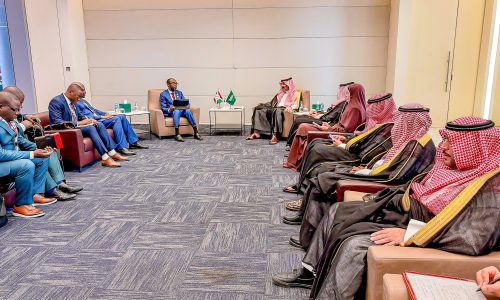
In 2024, her career briefly intersected with transitional justice when she was appointed Executive Secretary of the Truth and Reconciliation Commission. Shortly thereafter, she moved into diplomacy on February 12, 2024, representing Burundi as Ambassador of the Republic of Burundi to Lusaka, Zambia and the Permanent Representative to the Common Market for Eastern and Southern Africa (COMESA), where she contributed to strengthening regional cooperation and engagement.
Her appointment on April 28, 2026, as Minister of Communication and Media represents a full-circle moment. After more than two decades spanning journalism, political strategy, governance, and diplomacy, she returns to a sector she understands both from the inside and at the highest decision-making levels.
Evelyne Butoyi’s trajectory—journalist in 2004, presidential advisor in 2006, party communication leader in 2012, senator and local council president in 2015, minister in 2018, senior advisor and spokesperson in the early 2020s, transitional justice official and diplomat in 2024, and minister again in 2026—reflects a consistent focus on communication as a tool of governance. Her profile stands out for its continuity, adaptability, and influence across multiple spheres of public life.
Her story also mirrors broader shifts within Burundi, including the growing role of women in leadership and the increasing strategic importance of communication in governance. As she takes charge of the Ministry of Communication and Media, expectations are high that her combined experience will help navigate a rapidly evolving information ecosystem shaped by digital platforms, artificial intelligence, and the persistent challenge of misinformation.
In Evelyne Butoyi, Burundi entrusts its media agenda to a leader whose career has been defined by communication—first as a journalist reporting the news, and now as a minister shaping how it is told.
As she steps into office following the late Gabby Bugaga—who had notably expressed ambitions to advance content monetization in Burundi’s digital space—Evelyne Butoyi now faces a defining question: can she turn that vision into reality by building sustainable models that enable Burundian creators, journalists, and media houses to effectively monetize digital content in an evolving information economy?