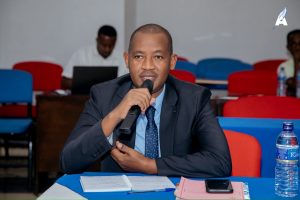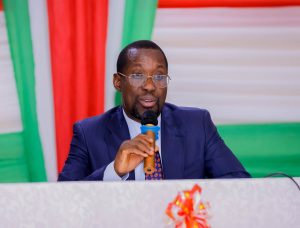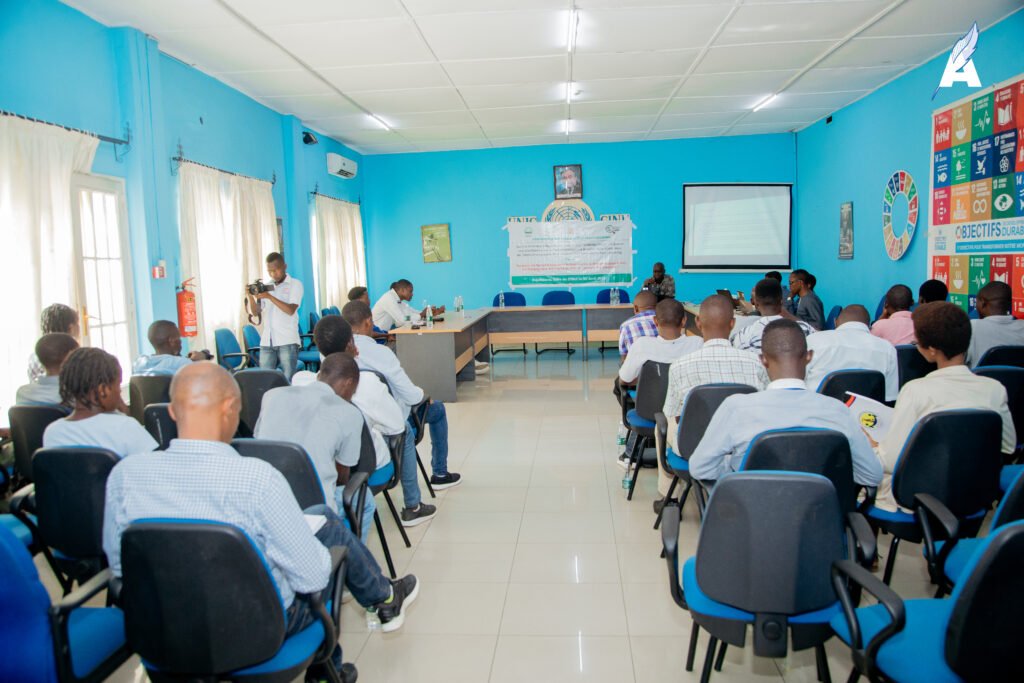
Media professionals, fact-checkers, and digital literacy advocates gathered in Bujumbura on Thursday April 02, 2026 for a National Conference on Fact-Checking, marking International Fact-Checking Day and addressing the growing threat of disinformation in the era of artificial intelligence, particularly in electoral contexts.
Organized by the media Shikiriza, the conference took place at the United Nations Information Centre for Burundi Hall in downtown Bujumbura. It brought together key stakeholders from across the media sector to examine the evolving challenges posed by misinformation and reinforce the role of verification in safeguarding public trust.
Held under the theme “The role of fact-checking in the fight against disinformation in the era of artificial intelligence and in the context of elections,” discussions highlighted how emerging technologies are reshaping the information ecosystem, accelerating both the production and spread of false content.
A panel of experienced media practitioners led the exchanges. Senior journalist Claude Nkurunziza, Director General of Radio TV Rema and a laureate of the Radio Nederland Training Centre (RNTC) in Haarlem, clarified the distinctions between misinformation, disinformation, and malinformation, emphasizing the need for rigorous fact-checking and stronger editorial standards in the AI-driven media landscape.
Investigative journalist Jean de Dieu Ndikumasabo, senior reporter at the Burundi News Agency (ABP) and fact-checker at BungaCheck, stressed the importance of evidence-based reporting and cross-platform verification. He noted that platforms such as Facebook and WhatsApp remain major channels for the spread of false information in Burundi. Ndikumasabo also presented a range of free verification tools—including Google Lens, reverse image search, and InVID—and demonstrated practical steps for verifying misleading content.
Richard Ndayishimiye, National Coordinator of Eduk Media Burundi, highlighted the importance of media and information literacy in empowering citizens to critically assess information. He reaffirmed the organization’s commitment to strengthening journalists’ verification skills and announced upcoming fact-checking training sessions for Burundian media professionals in the coming months.
Meanwhile, Thibilisse Nkurunziza, founder and CEO of Shikiriza Media and coordinator of Shikiriza Check, called for stronger collaboration among fact-checking initiatives to counter coordinated disinformation campaigns. Despite limited funding, he noted that several initiatives—including Shikiriza Check, BurundiFacts, Andika Check, Burunga Check, and Burundi Check—are actively working to combat misinformation in the country. He also highlighted the growing recognition of Shikiriza Check, including its selection at the Assises méditerranéennes du journalisme from April 28 to 30, 2025.
Speakers further addressed the expanding role of artificial intelligence in content creation, warning that while the technology offers opportunities for innovation, it also amplifies risks when misused. They urged media organizations to adopt adaptive strategies, invest in verification tools, and consider establishing dedicated fact-checking units across radio, television, and digital platforms.
During the discussions, Melchisedeck Boshirwa, Founder and Executive Director of Andika Magazine and initiator of Andika Check, raised the question of whether fact-checking can be effectively conducted without a dedicated budget. In response, Jean de Dieu Ndikumasabo affirmed that it is possible, noting that the key requirements are “reliable internet access and strong fact-checking skills.” While acknowledging that some verification tools are costly, he emphasized that many effective tools are freely available and can support accurate verification when properly used.
Through interactive exchanges, participants explored practical approaches to integrating fact-checking into daily journalistic practices, particularly during election periods when misinformation can have significant societal consequences.
The conference concluded with a shared commitment to strengthen collaboration among media professionals, fact-checking initiatives, and civil society organizations. Eduk Media Burundi reaffirmed its pledge to organize training sessions for journalists within the next two months, aiming to promote accurate and reliable information across Burundi.