At a time when Gabon imports most of its food despite vast fertile land, a young agronomist is quietly challenging mindsets and redefining what success looks like. Hassan Wora, born Wora Ngoma Chaikey, is betting on agriculture, not oil, not offices, to reconnect Gabonese youth with the land and secure the country’s food future.
“Agriculture can guide our youth back to the right path by helping them recognize the real treasure they possess: the land,” Hassan Wora says.
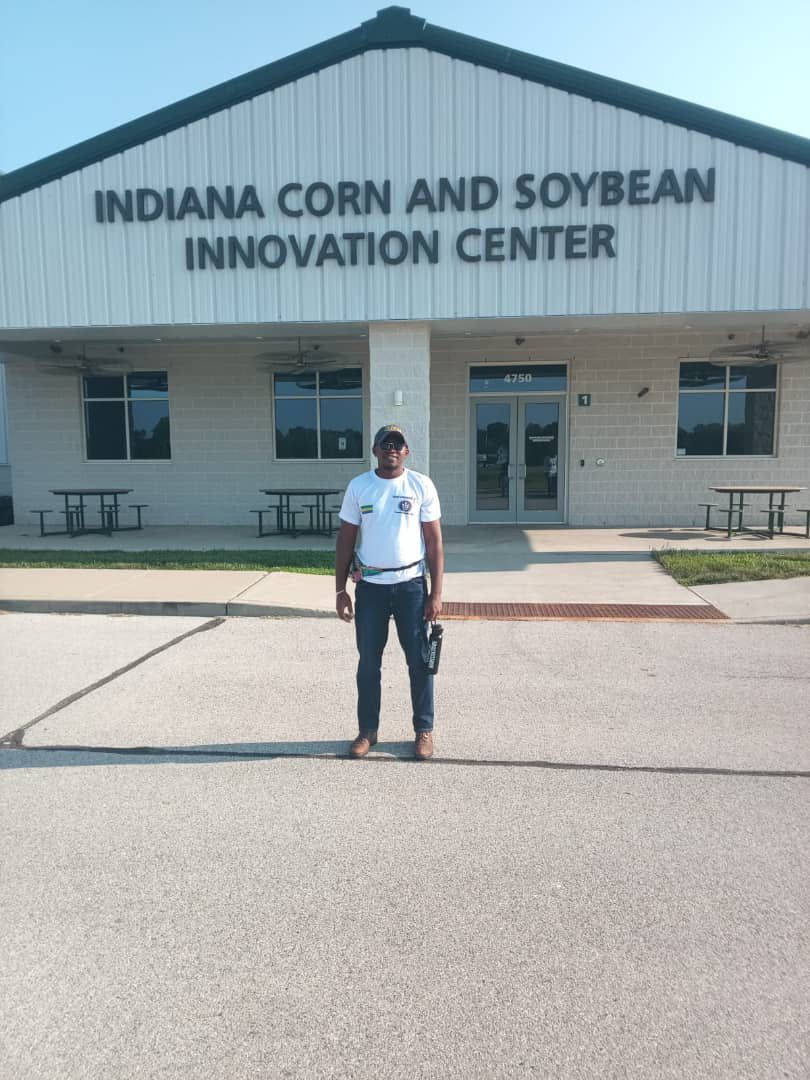
A Gabonese national born in Port-Gentil, the country’s second-largest city, Hassan holds a Bachelor of Science in Agronomy obtained in 2019 from Bunso Cocoa College in Ghana. His profile was further strengthened by his selection as a Mandela Washington Fellow, during which he completed a fellowship at Purdue University in the United States, one of the world’s leading agricultural institutions.
Before returning home, Hassan spent over a decade in West Africa, mainly in Ghana, where he worked as an agricultural consultant with the Ghana Ecological Research Center. Under the mentorship of Mr. Patrick Adjeoudah, he contributed to research and field programs on conservation agriculture, climate change adaptation, and sustainable rural development, particularly within cocoa farming communities in northern Ghana.
It was also in West Africa that his conviction deepened. “In Ghana, land is limited, yet agriculture is highly developed. Farmers are respected because people understand that everything comes from the soil,” he explains. “That’s when I realized how much potential Gabon is wasting.”
A country rich in land, poor in food sovereignty
Since the oil boom of the 1970s, Gabon has increasingly relied on imported food. With a population of about two million, imported tomatoes often seem easier to buy than to grow. For Hassan, this dependence is a silent risk.
“We do not control our food production, and we often don’t know what chemicals are used on imported products,” he warns, linking the issue to rising health concerns and poorly understood diseases.
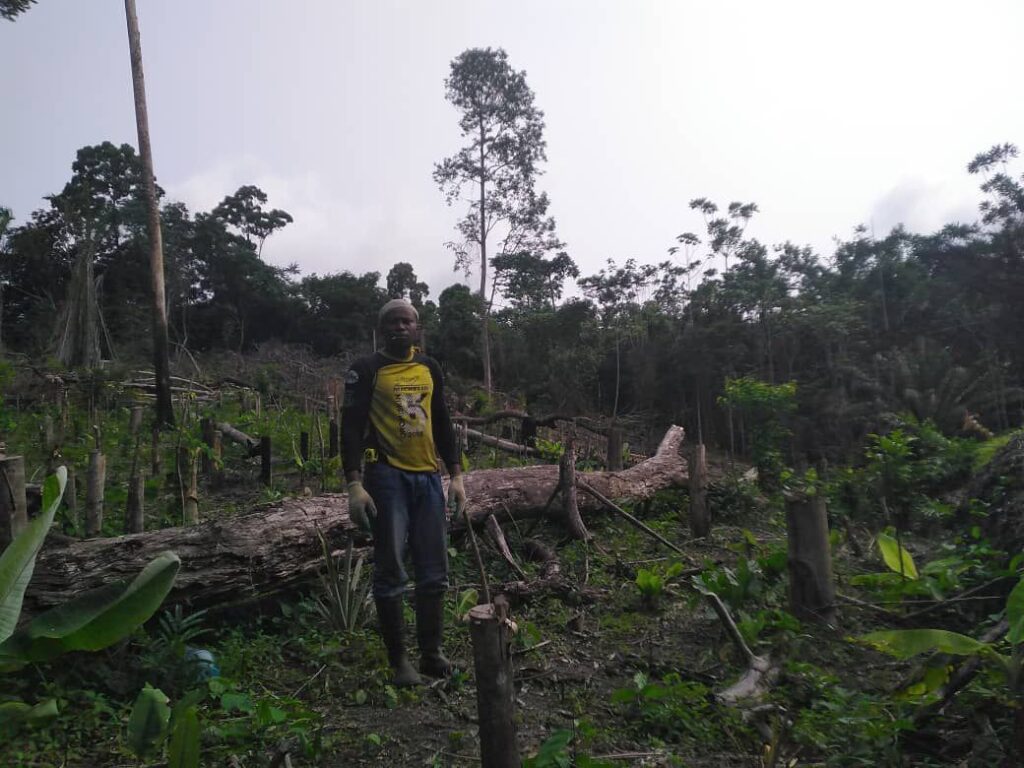
In 2023, Hassan returned to Gabon with a clear mission: to turn agriculture into a viable, respected pathway for young people. He launched Baraka, meaning “God’s blessing”, on a piece of forest land near the capital. Mobilizing local youth, he trained them in farm management and plantain multiplication, leading to the successful planting of 5,000 plantain trees.
In Lambaréné, Gabon’s third-largest city, he led another initiative focused on vegetable farming, training young people in the cultivation of cayenne pepper, watermelon, and habanero peppers, alongside proper water management techniques.
“Changing habits is never simple,” Hassan admits. “In Gabon, success is often associated with suits and offices, not boots and soil. That must change.”
Seeds, sacrifice, and independence
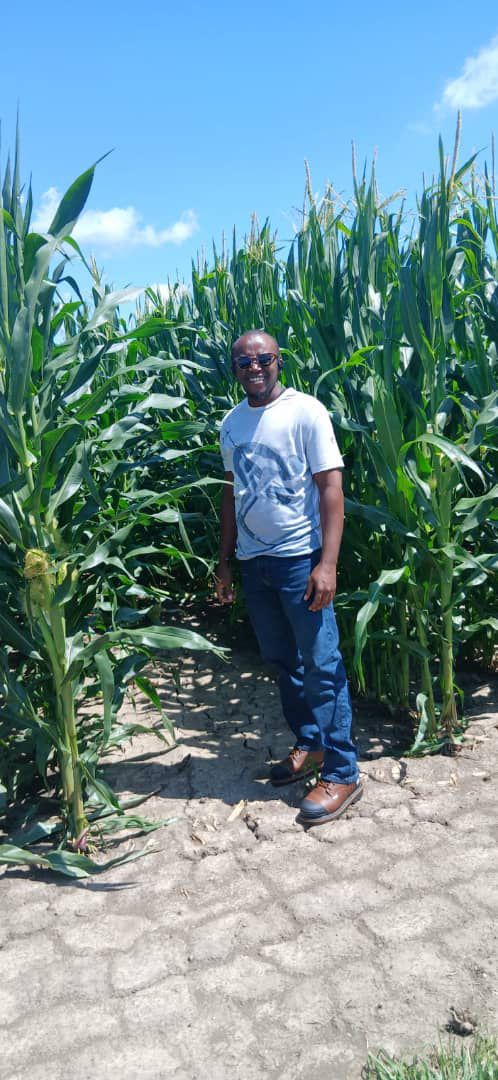
Central to Hassan’s approach is seed sovereignty. During his studies in the United States, a visit to Red Gold, one of the world’s largest tomato producers, left a lasting impression. “They own 23 tomato seed varieties globally. That completely changed my perspective,” he says. “Nothing can be achieved without controlling our own seeds.”
Today, he works on developing local vegetable varieties, including chili and watermelon, while introducing techniques such as macro-propagation and efficient irrigation systems to rural farmers.
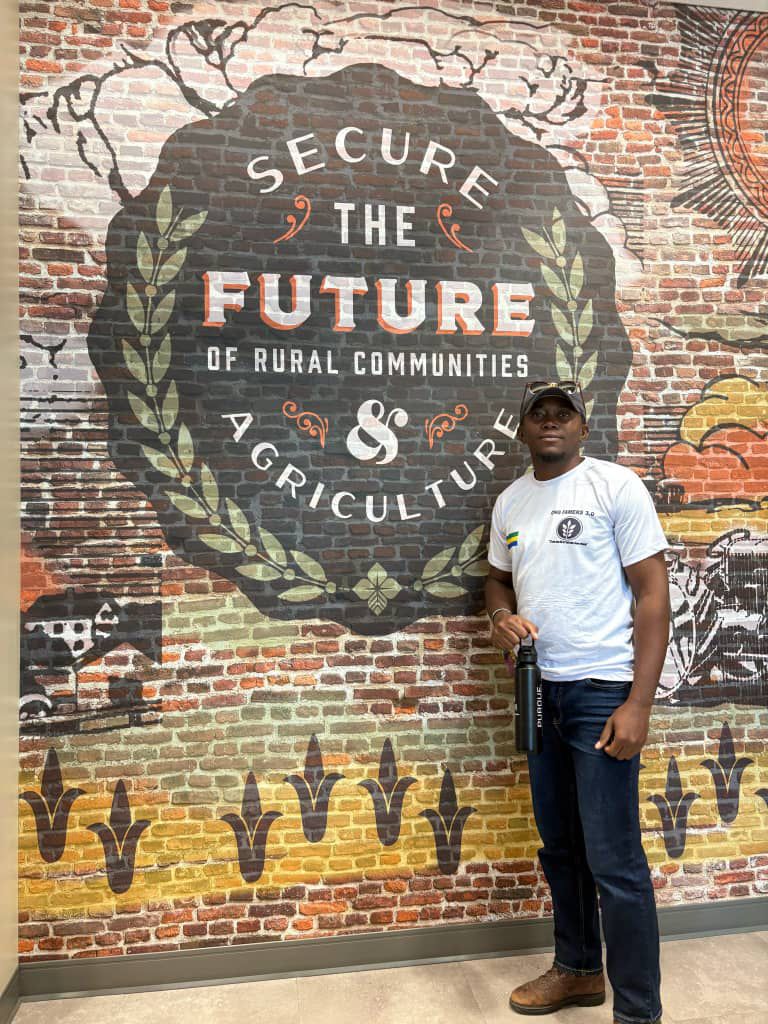
His journey has been entirely self-funded. “For two years, I didn’t buy new shoes or clothes. Everything went into the farm,” he says. “To gain something meaningful, we must know how to sacrifice.” Hassan receives no government support, choosing independence in a sector he considers overly politicized.
Hassan sees the next five to ten years as a foundation-building phase—earning trust, delivering results, and becoming a visible agricultural role model for Gabonese youth.
“Our impact comes one step at a time,” he reflects. “We are like the Chinese bamboo: for years, nothing appears above ground, but deep roots are growing underneath.”
In a country searching for sustainable paths beyond oil, Hassan Wora’s story is not just a personal success—it is a reminder that the future of development may already be lying beneath our feet, waiting to be cultivated.