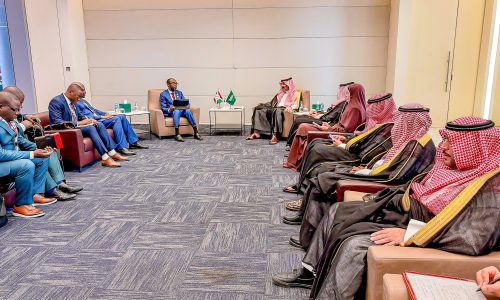
In a decisive step toward strengthening Africa’s economic integration, the competition authorities of four major regional economic blocs signed, on 26 February 2026 at Radisson Blu Mosi-Oa-Tunya, Livingstone Resort in Livingstone, Zambia, a landmark Memorandum of Understanding (MoU). The MoU purpose is to enhance cooperation in enforcing competition and consumer protection laws across borders under the framework of the African Continental Free Trade Area (AfCFTA).
The agreement brings together the COMESA Competition and Consumer Commission, the EAC Competition Authority, the ECOWAS Regional Competition Authority and the WAEMU Commission. The MoU establishes a structured framework for collaboration in investigations, information sharing, staff exchanges, joint capacity building, coordinated enforcement actions and market inquiries.

Collectively, the four Regional Economic Communities (RECs) represent 38 African countries. The Common Market for Eastern and Southern Africa (COMESA) comprises 21 member states; the Economic Community of West African States (ECOWAS) includes 12 countries; the East African Community (EAC) brings together eight partner states; and the West African Economic and Monetary Union (UEMOA/WAEMU) also counts eight member countries. Several countries hold overlapping membership across these blocs — a reality that has often required careful coordination in competition enforcement.
A Milestone Rooted in African Integration
Officials described the signing as more than a ceremonial gesture. It is the culmination of a process that began in July 2023 in Lusaka, when REC competition authorities first met to clarify their role within the AfCFTA Competition Protocol and to safeguard the gains made in building regional enforcement regimes.

“What you are witnessing is what collaboration should look like,” said Dr Willard Mwemba, Chief Executive Officer of the COMESA Competition and Consumer Commission. “What began as informal discussions in 2023 has now matured into a formal framework that strengthens our collective contribution to Africa’s economic integration.”
Dr Mwemba noted that the initial objective was to ensure that the RECs would not lose their jurisdiction and institutional achievements under the AfCFTA architecture. “Our goal has broadened,” he said. “Through our cooperation, we are now able to contribute more impactfully to the continent.”
Professor Filiga Michel Sawadogo, Commissioner in charge of the Department of Regional Market and Cooperation of the UEMOA Commission, highlighted the historical journey and institutional significance of the MoU.
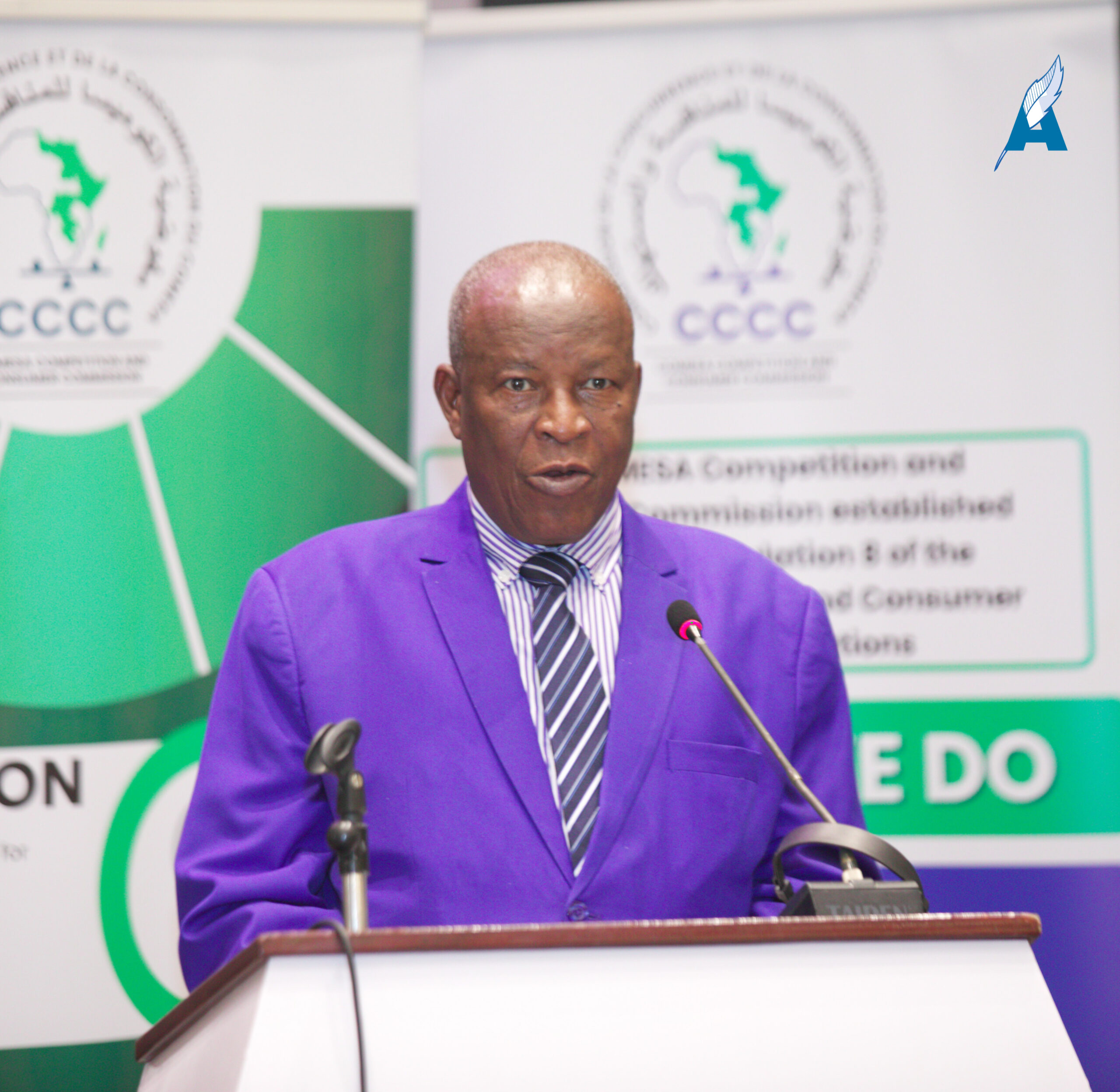
“This event is the result of a process that began here in Zambia in July 2023, when COMESA convened the first meeting of REC competition authorities to identify avenues of cooperation within the AfCFTA Competition Protocol,” he said. “Subsequent meetings in Abidjan, Côte d’Ivoire, under ECOWAS and UEMOA, and in Arusha, Tanzania, led by the EAC, nurtured this collaboration. Today, we witness the fruits of those efforts.”
Professor Sawadogo added that UEMOA’s long-standing experience in competition enforcement and bilateral cooperation will continue to guide the RECs. “This MoU is a foundation for exemplary solidarity, legal certainty for businesses, and enhanced consumer welfare across Africa,” he said.
Addressing Cross-Border Market Realities
In his address, Mr Simeon Koffi, Executive Director of the ECOWAS Regional Competition Authority, framed the agreement within the broader context of African integration.
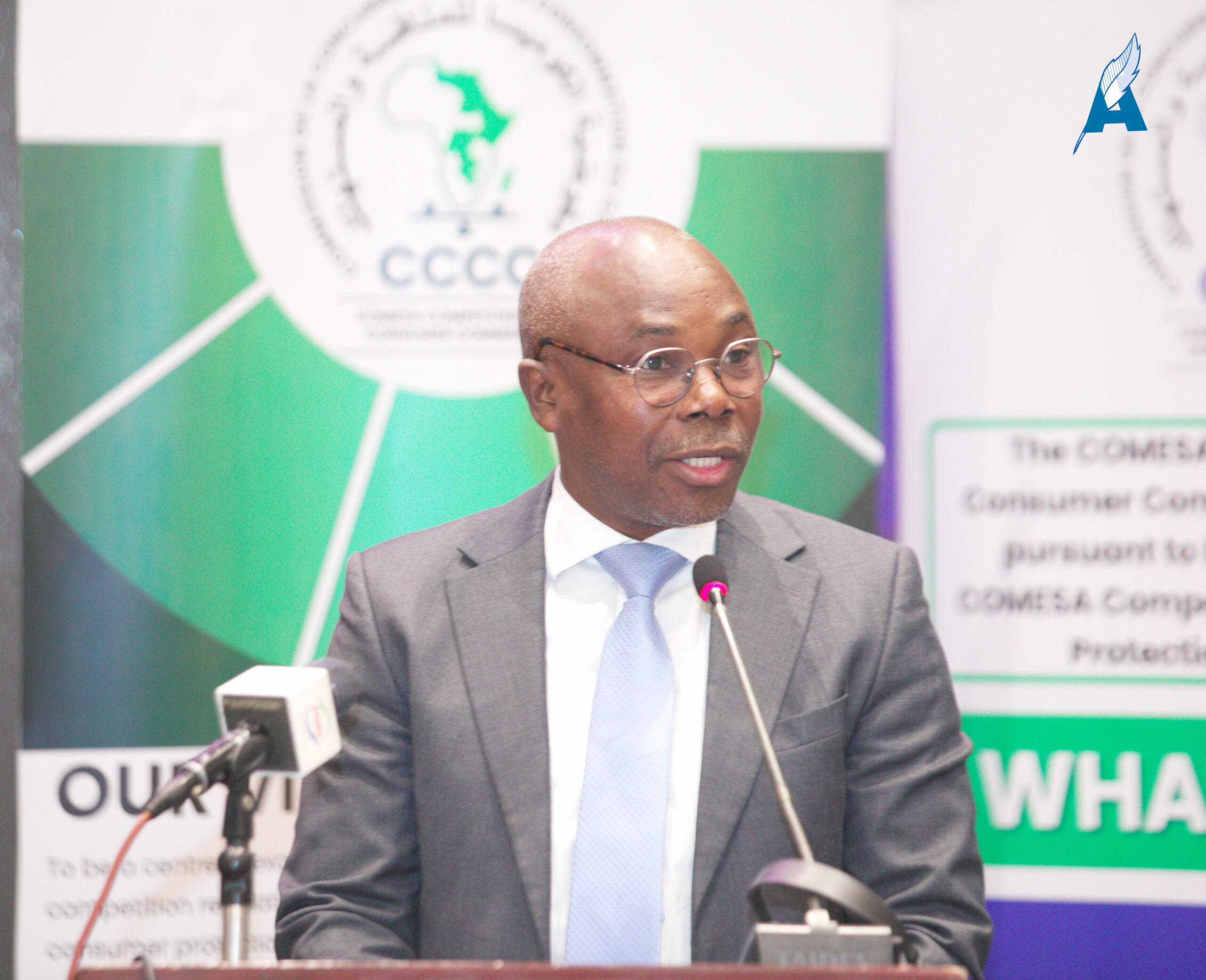
“The signing of this Memorandum is more than a formal institutional act,” he said. “It is part of the wider process of African economic integration, as outlined in the Abuja Treaty and reinforced by the AfCFTA.”
Mr Koffi stressed that as markets evolve and businesses increasingly operate across borders, competition authorities must adapt. “In today’s world, cooperation among competition authorities is not just useful — it is essential,” he said. “No single authority, however capable, can alone handle the growing complexity of competition challenges in an integrated economy.”
He added that the MoU provides a practical mechanism for managing cases that affect multiple jurisdictions simultaneously. Through structured information sharing and coordinated action, the authorities aim to avoid conflicts of jurisdiction, use resources more efficiently and deliver fairer, more consistent outcomes for markets and citizens.
“This Memorandum is a tool for rationalisation and institutional efficiency,” Mr Koffi said.
Strengthening Building Blocks of the AfCFTA
Ms Stellah Onyancha, Acting Registrar of the EAC Competition Authority, described the agreement as a concrete step toward positioning RECs as building blocks of a unified African competition regime.
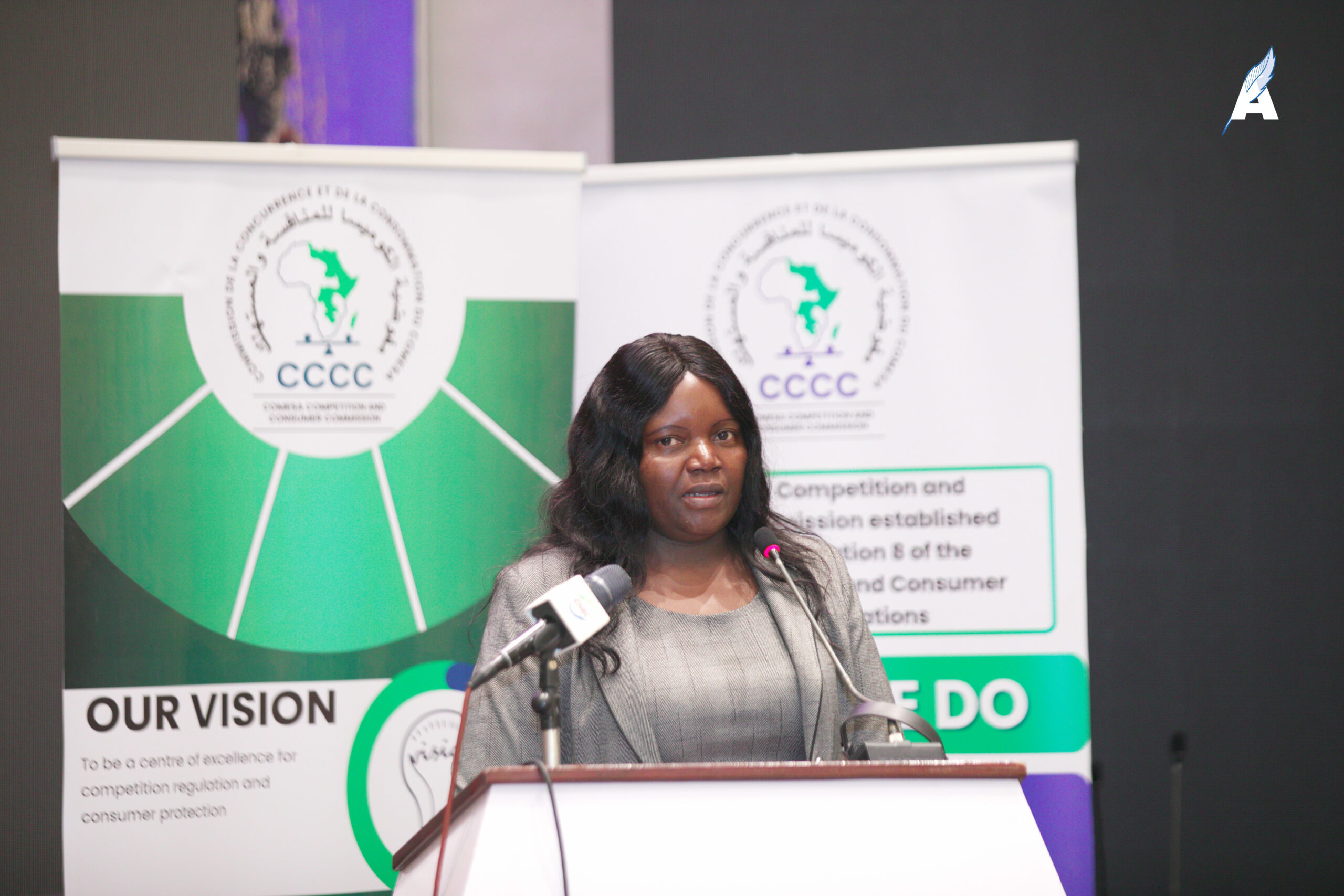
“This signing marks a significant step towards strengthening collaboration and promoting fair competition within our regional landscape and at the continent,” she said.
She expressed appreciation to the COMESA Competition and Consumer Commission for initiating the process that brought the institutions together and acknowledged the steady commitment of ECOWAS and UEMOA in advancing the negotiations.
According to Ms Onyancha, the cooperation framework will enhance collaboration through information sharing, joint capacity building, staff exchanges and coordinated investigations.
“It is expected that our joint efforts will address challenges brought about by overlapping jurisdiction among the RECs,” she said. “We must endeavour to make this MoU work and to be a role model even for others to benchmark and learn from.”
She further noted that the agreement will solidify existing bilateral arrangements between some of the authorities and foster closer, more productive collaboration in enforcing regional competition laws.
Timely Amid Regulatory Developments
The MoU comes at a time of renewed regulatory momentum across Africa’s regional blocs.
COMESA enacted new Competition and Consumer Protection Regulations in December 2025. Meanwhile, ECOWAS and the EAC have recently operationalised their merger control regimes, strengthening oversight of cross-border transactions.
By aligning regulatory frameworks and institutional cooperation, the four authorities aim to create a more predictable and transparent environment for businesses operating in multiple jurisdictions. Officials emphasised that effective competition enforcement is central to achieving the AfCFTA’s promise of expanding intra-African trade. Competitive markets encourage innovation, attract investment and protect consumers from unfair practices.

Professor Sawadogo noted that UEMOA’s decades-long experience in competition enforcement will help ensure that the MoU is implemented efficiently and sustainably. “This agreement is the foundation for a culture of competition in Africa, fostering legal certainty for enterprises and the well-being of consumers across our member states,” he said.
Implementation Will Define Success
While the ceremony marked a historic milestone, speakers repeatedly stressed that signing the MoU is only the beginning.
“The true success of this agreement will depend on our ability to bring it to life,” Mr Koffi said, calling for concrete initiatives, regular exchanges and measurable implementation.
Dr Mwemba echoed this sentiment, stating that the agreement formalises years of technical work and trust-building among the authorities. “Today it is not just putting ink on paper,” he said. “It is a formalisation of extensive work undertaken by our competition authorities.”
The MoU provides for the development of a joint work plan to guide implementation, including coordinated investigations, joint studies and emerging enforcement issues.
Benefits for Businesses and Consumers
At its core, the agreement seeks to deliver tangible benefits beyond institutional cooperation.
“By strengthening competition rules and protecting consumers, we are directly contributing to better functioning markets, greater innovation and stronger protection for citizens,” Mr Koffi said.
Ms Onyancha added that the framework will help create a conducive environment for businesses while enhancing consumer welfare and economic development across the continent.
Through harmonised approaches and coordinated enforcement, the authorities aim to reduce regulatory fragmentation, provide legal certainty for cross-border investors and ensure that anti-competitive conduct does not undermine regional integration.
Professor Sawadogo concluded that the MoU represents both a symbolic and practical milestone for African cooperation: “We hope that this agreement will serve as a foundation for exemplary solidarity, a strong and active framework for legal certainty for businesses, and for the protection of consumers across Africa.”