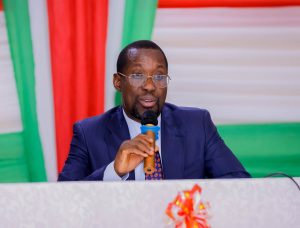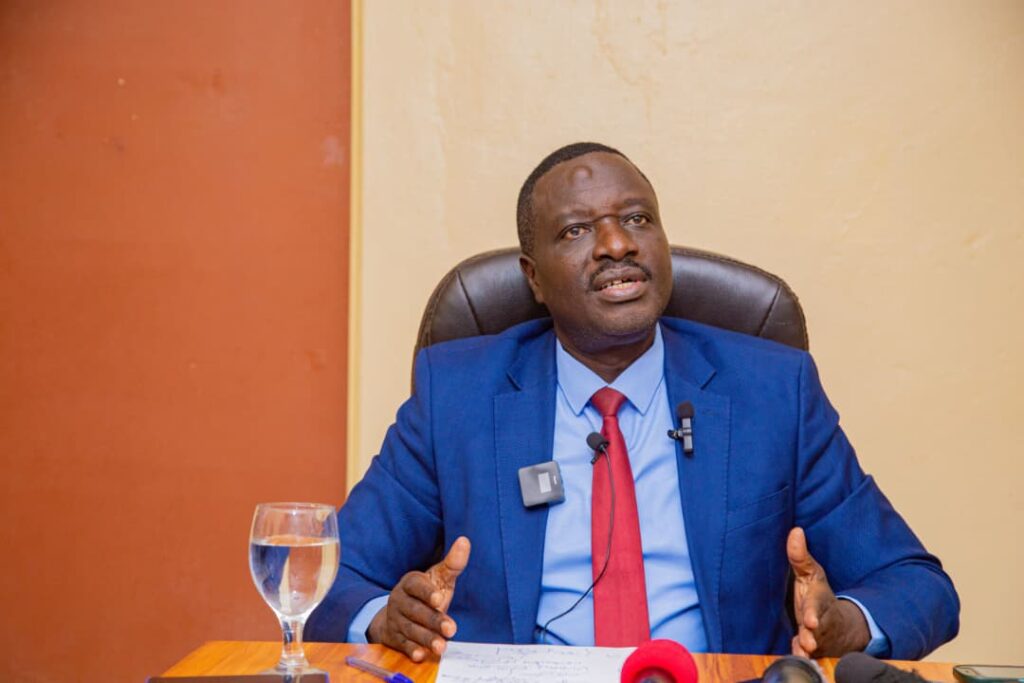
During the recent National Prayer event, fiscal civism dominated discussions, prompting PARCEM to present its assessment of the situation in Burundi. According to Faustin Ndikumana, co-founder and national representative of PARCEM, several structural barriers continue to undermine citizens’ willingness to comply with tax obligations.
“When taxes are borne by a small structured economy while the majority operates informally, fiscal civism cannot take root. In Burundi, nearly 70 percent of the economy is informal, and this creates a deep tax injustice,” he said, noting that many economic operators escape taxation while a limited number of taxpayers carry the burden.
Ndikumana also criticized the growth of informal fuel trade and the parallel foreign exchange market, which he said finances a large share of imports without contributing to public revenue. He further raised concerns about tax exemptions, describing them as a major loss for the Treasury. “The execution rate of tax exemptions reached alarming levels, yet there is no audit or strategy to stop this financial hemorrhage,” he added.
The PARCEM representative also pointed to weak management of public funds, arguing that impunity in cases of embezzlement discourages taxpayers. “When illicit enrichment is tolerated and basic social services such as health, education and infrastructure remain inadequate, citizens lose confidence and fiscal civism is affected,” Ndikumana stated.
He further denounced administrative corruption, citing repeated payments for the same service. “People are forced to pay at several checkpoints or administrative offices even after paying official fees. This becomes a form of double taxation outside any legal framework,” he said.
Ndikumana also highlighted informal contributions imposed on citizens, including payments requested by some local administrations for infrastructure or sanitation. According to him, these practices blur the boundary between legal taxation and arbitrary levies, further weakening compliance.
Finally, he warned about the unpredictability of tax laws and the difficult economic context marked by inflation and declining purchasing power. “We cannot keep asking citizens to strengthen fiscal civism while the state’s own practices do not evolve. Fairness, transparency and accountability must come first,” Ndikumana concluded.