Burundi’s National Independent Commission for Human Rights (CNIDH) has called on the government to launch a rapid and independent investigation into a series of fires that have destroyed markets and businesses across the country.
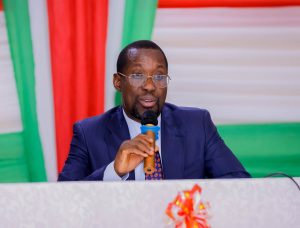
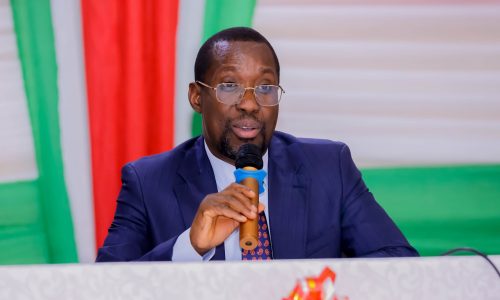
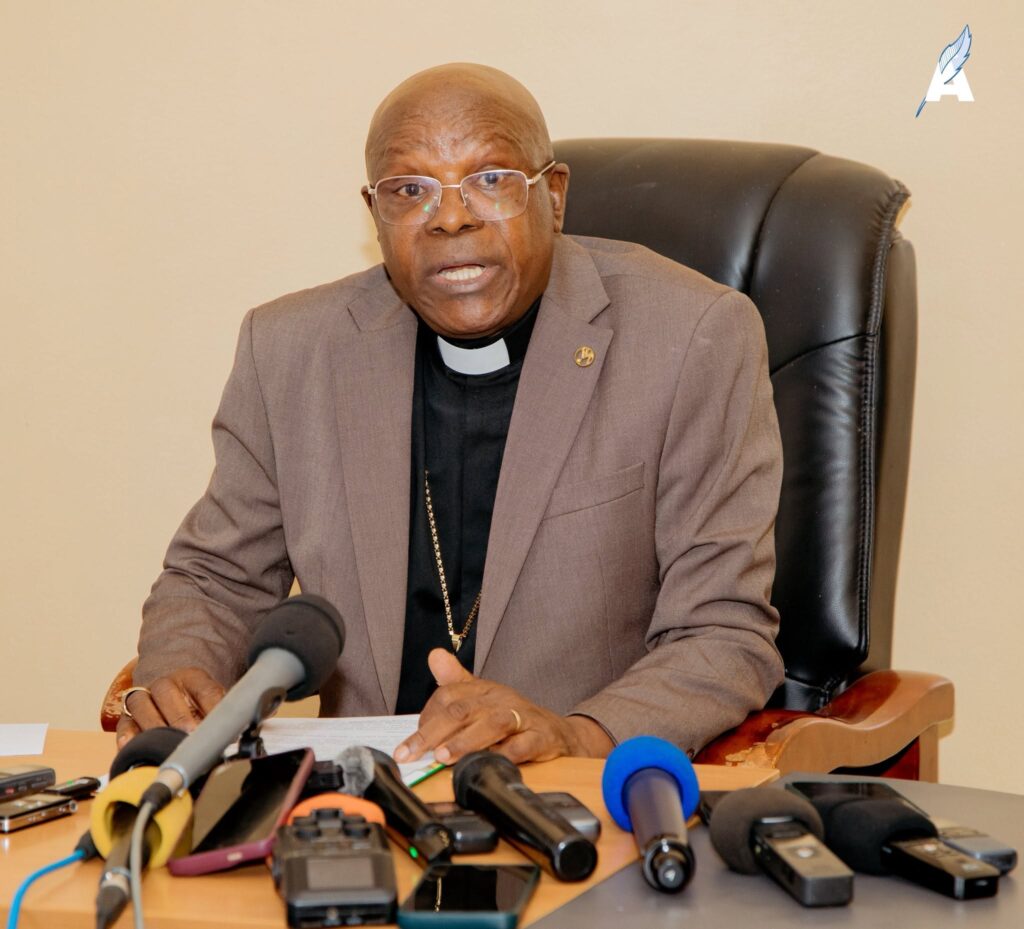
Speaking to journalists on July 1, 2026, CNIDH President Bishop Martin Blaise Nyaboho said the commission was deeply concerned about the repeated market fires and their impact on traders, livelihoods and the national economy.
The CNIDH said seven market sites had been affected by fires between January and August 25, 2026, including Kwa Siyoni in Kumbaho, Kinama Market, Rugombo, Kijabe in Ngozi, Galerie Ndayizamba, Le Parisien and Kinindo Market.
The commission linked the latest incidents to a broader pattern of market fires in Burundi, recalling the destruction of Bujumbura’s main market in 2013.
According to the CNIDH, no deaths had been reported in the fires based on information available to the commission. However, buildings and large quantities of merchandise have been destroyed, leaving traders facing major financial losses and uncertainty over their future.
“The damage goes beyond the destruction of property,” the commission said, warning that repeated fires could have wider economic consequences for the country.
The CNIDH said government officials, security forces and members of the public had responded to the fires and attempted to save property. However, it said the response was hampered by inadequate firefighting equipment and resources.
The human rights commission urged the Burundian government to establish a multidisciplinary team of experts to conduct an urgent and impartial investigation into the fires.
The investigation, it said, should determine whether the fires were accidental or deliberately caused, identify their causes and establish whether there was any underlying motive.
The CNIDH also called for the government to work with banks, lending institutions and insurance companies to help affected traders rebuild their businesses.
It further urged authorities to provide modern equipment and adequate resources to emergency services responsible for responding to fires and other disasters.
The commission also proposed requiring traders to insure their goods and businesses against such risks.
Nyaboho specifically called on banks to identify customers whose businesses and merchandise had been destroyed and provide them with support to restart their commercial activities.
He urged banks to consider suspending or reducing interest payments on outstanding loans from the date the traders’ businesses were destroyed.
The CNIDH also called for appropriate arrangements to allow affected borrowers to repay their loans without being placed under additional financial pressure, in accordance with regulations governing bank lending and interest rates.
Insurance companies, meanwhile, were urged to accelerate compensation for traders who had valid insurance coverage and to strengthen public awareness campaigns encouraging businesses and individuals to insure their property.
Nyaboho was also asked about reports that some traders had been arrested following the collapse of Kinindo Market.
He said he was not aware of any arrests at the time. He explained that he had personally visited the scene while the fire was burning, together with colleagues, but had not witnessed anyone being arrested.
The CNIDH president said the commission would investigate the reports to establish whether people had been detained and, if so, determine the reasons for their arrest.
The commission also commended residents and security personnel for their response during the fires, while stressing that stronger preparedness and better equipment were urgently needed.
It called on traders and market developers to also ensure that market structures provide adequate access for firefighters and emergency responders.