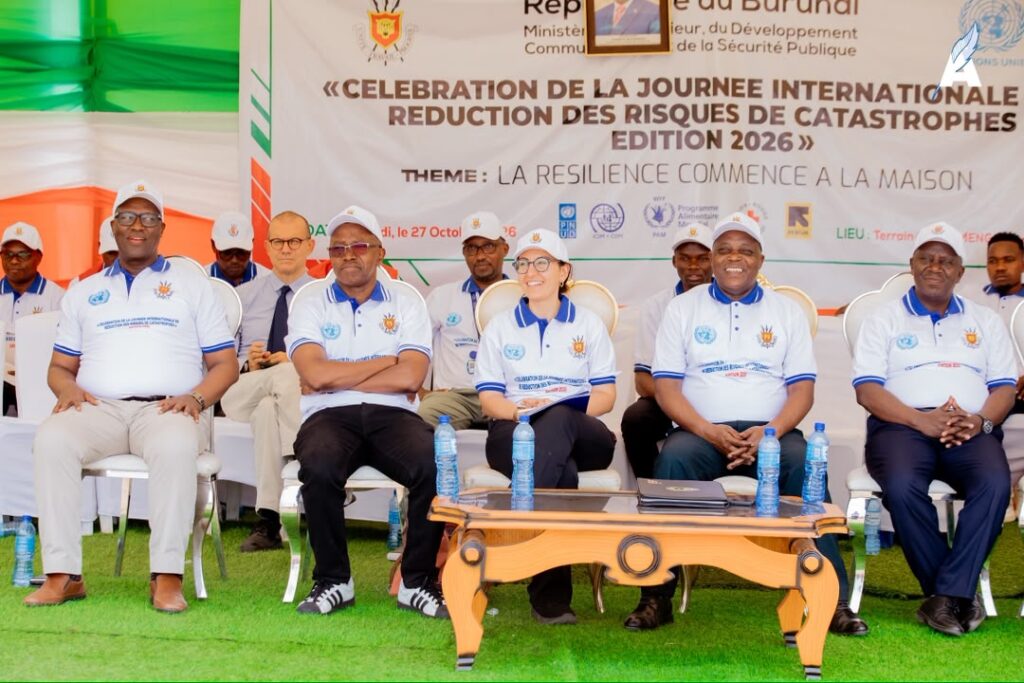
Burundi marked the International Day for Disaster Risk Reduction on October 27, 2026, nearly two weeks after the global observance, as officials called for stronger prevention measures amid growing concerns over natural disasters and climate change.
The ceremony, held at the ETS Kamenge grounds, brought together government officials, United Nations agencies and other partners to raise awareness about disaster preparedness and the need to protect vulnerable communities.
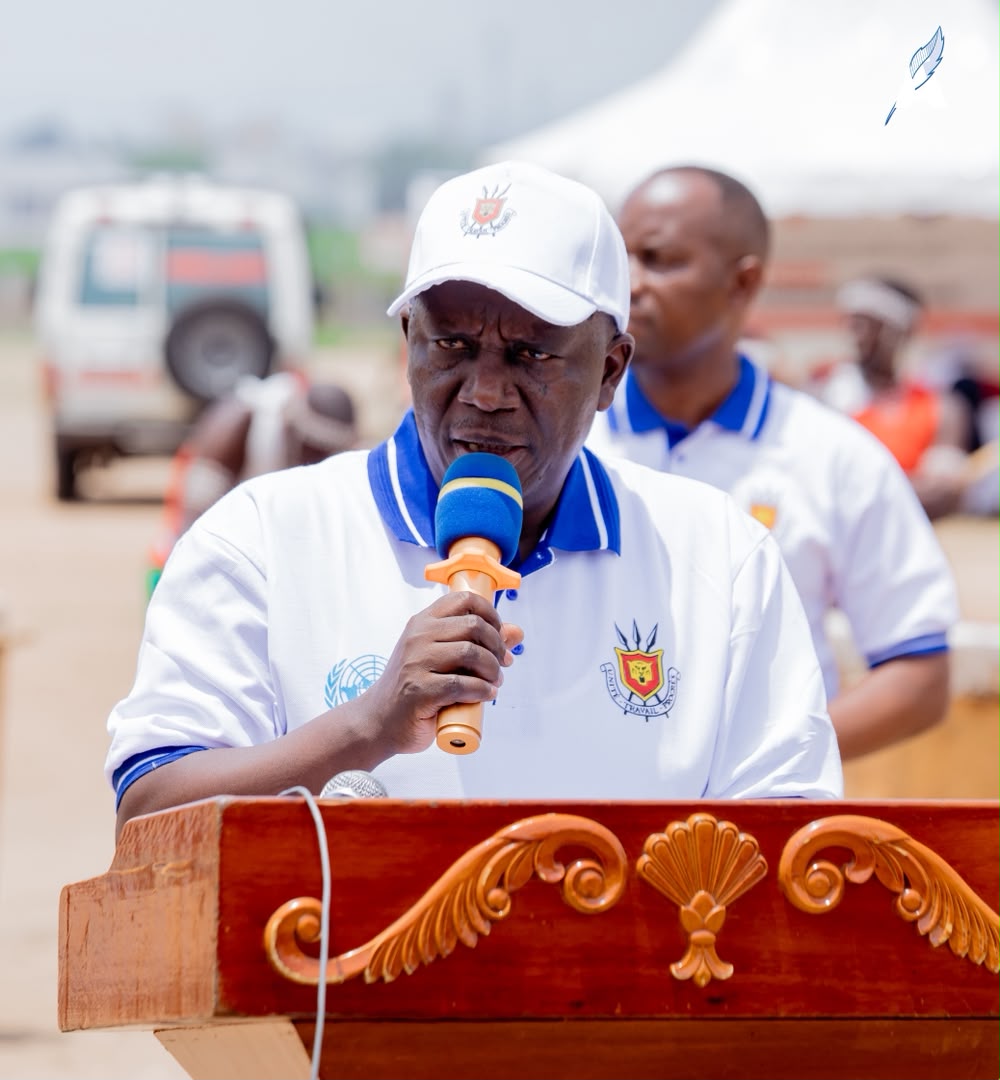
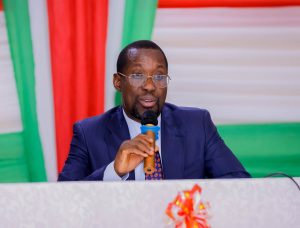
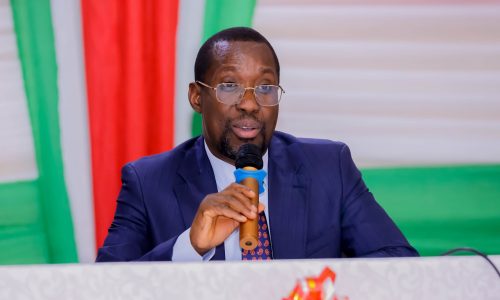
Aloys Ndayikengurukiye, the governor of Bujumbura Province, said Burundi remains highly exposed to natural disasters. He highlighted the risks facing Bujumbura, where the surrounding hills contribute to soil erosion and increase the threat of flooding and related damage.
He urged participants to take the recommendations seriously and put preventive measures into practice to reduce disaster risks and limit the effects of climate change.
Disasters displace thousands and damage homes
Emanuela Muscarà, head of mission of the International Organization for Migration (IOM) in Burundi and representative of United Nations agencies at the ceremony, stressed the country’s vulnerability to natural disasters.
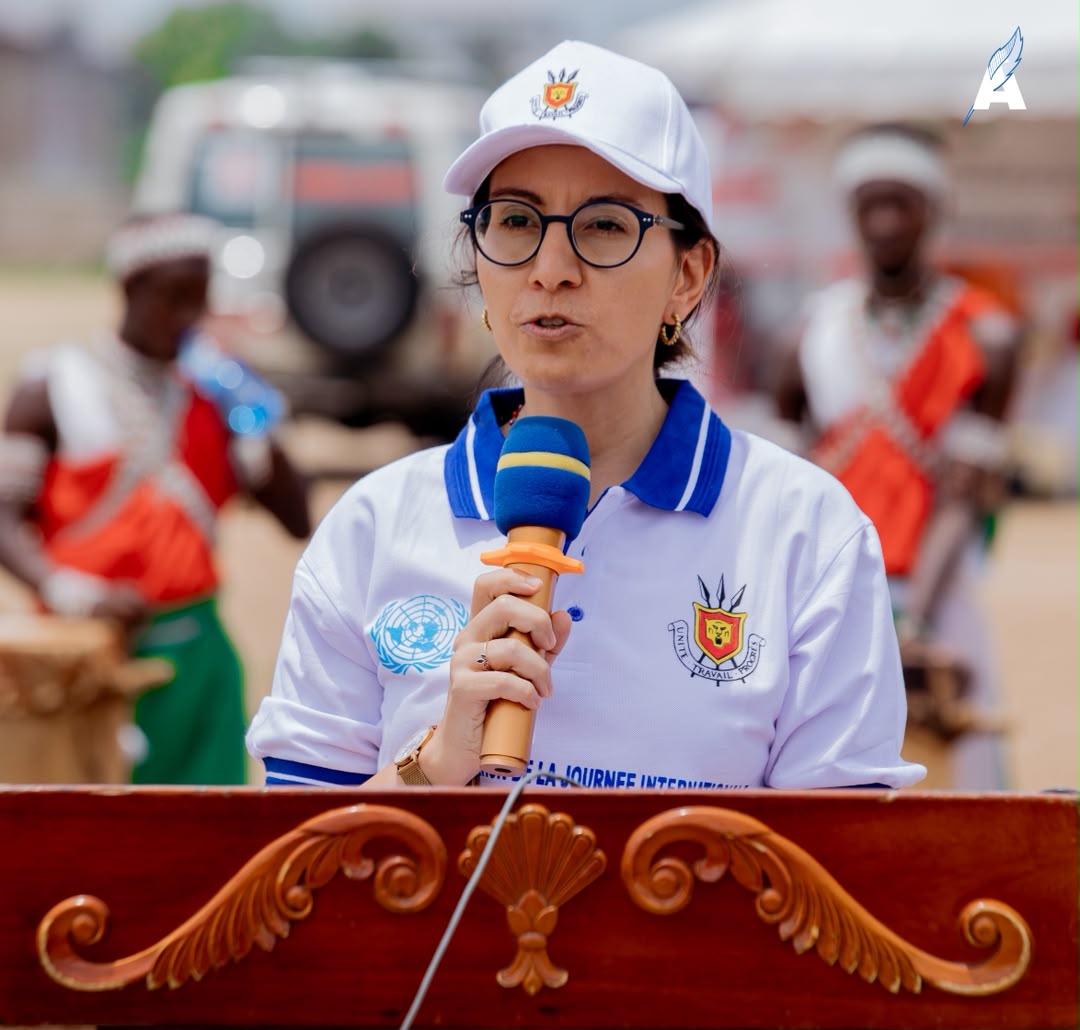
According to figures she presented, more than 24,000 houses were damaged and nearly 48,000 people were forced to leave their homes because of disasters and flooding between 2023 and 2024.
The cost of rebuilding damaged homes and assisting affected populations was estimated at approximately 220 billion Burundian francs, equivalent to about $76 million, she said.
Muscarà called for stronger housing structures and better land-use planning to ensure that residential areas are developed with greater consideration for disaster risks and the effects of climate change.
Government urges precautions against El Niño-related flooding
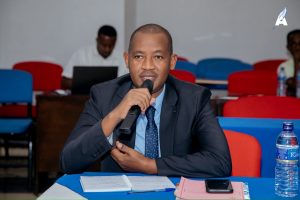
Léonidas Ndaruzaniye, the minister of the interior, community development and public security, said disaster prevention cannot be left to government institutions alone. Communities and individual households also have a responsibility to reduce their exposure to natural hazards.
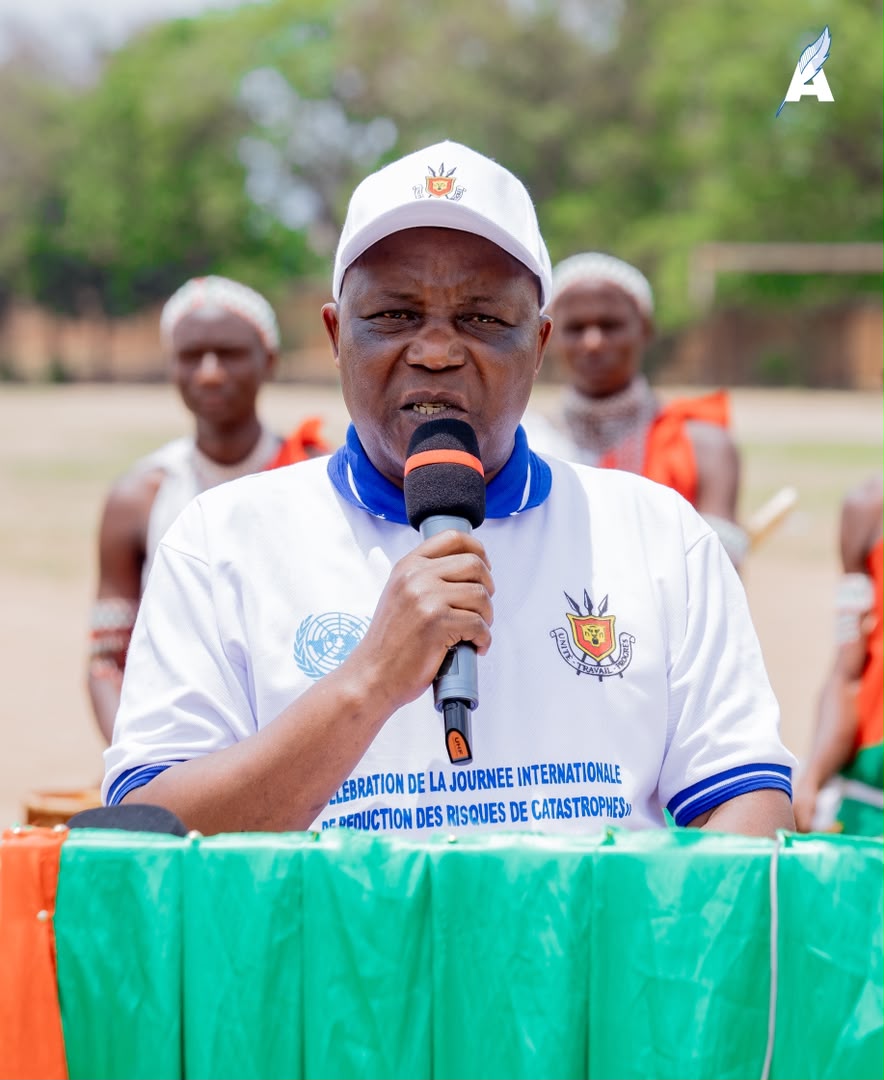
Citing the risks associated with the El Niño climate phenomenon, the minister urged Burundians to take practical steps to prevent flooding and minimize potential damage.
His recommendations included avoiding construction and residence in disaster-prone areas, regularly clearing drainage channels and waterways, protecting homes from runoff flowing down hillsides, and closely monitoring weather forecasts and official alerts.
The measures come as Burundi continues to face the consequences of flooding and other natural hazards that have damaged homes, displaced residents and placed pressure on resources needed for emergency assistance and reconstruction.
As Burundi faces growing risks from flooding and climate change, will stronger prevention measures and community action be enough to protect vulnerable families from future disasters?