Burundi’s government has announced the transfer of more than 944.2 billion Burundian francs to provinces and communes as part of an ambitious effort to decentralize public spending and bring government services closer to citizens.
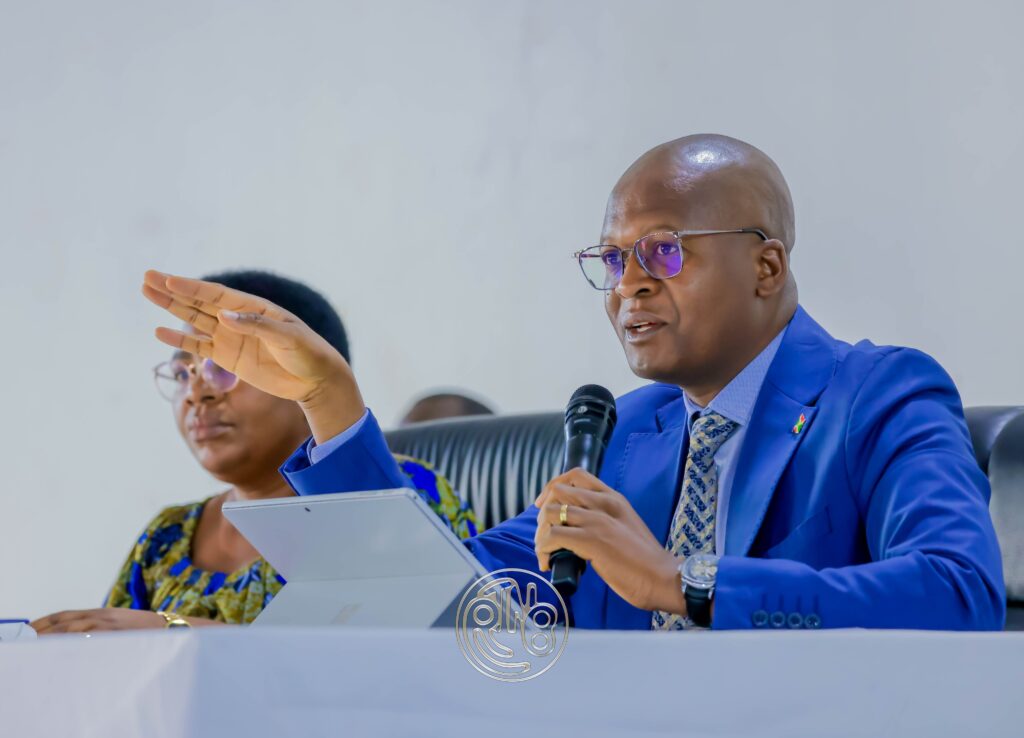
Prime Minister Nestor Ntahontuye made the announcement on Tuesday August 04, 2026, during the official launch of a provincial workshop on the opening of budget credits for the 2026–2027 fiscal year in Buhumuza Province. The funds, he said, will support the implementation of budget decentralization reforms, strengthen local governance, and accelerate development projects at the community level.
The workshop brought together provincial and communal officials, including representatives from the National Communal Investment Fund (FONIC), communal administrators, executive secretaries, finance officers, and heads of public services.
The move marks a significant step in Burundi’s broader public finance reforms, which authorities say are aimed at transforming the way government resources are managed and delivered. Since 2022, the country has been implementing a program-based budgeting system designed to shift public spending away from a focus on expenditure and toward measurable results.
According to Ntahontuye, the 2026–2027 fiscal year represents the effective beginning of budget execution at decentralized levels of government. The reform is intended to reduce administrative bottlenecks, improve access to public services, and empower provinces and communes to become engines of local economic development.
The Prime Minister linked the initiative to Burundi’s long-term development agenda, including its ambition to become an emerging economy by 2040 and a developed nation by 2060 under the revised National Development Plan (2018–2027).
Government officials argue that transferring budget authority closer to local communities will improve efficiency, strengthen accountability, and allow development projects to better reflect local priorities. The nearly 944.3 billion francs allocated to provinces and communes, Ntahontuye said, reflects the government’s commitment to financing strategic priorities outlined in the national development framework.
Yet the success of the reform may ultimately depend not on the size of the allocation, but on how effectively the funds are managed. Burundi has long faced challenges related to administrative capacity, public accountability, and service delivery at local levels. The decentralization effort raises critical questions: Will local authorities have the technical and financial management capacity to oversee such significant resources? How will transparency and oversight mechanisms ensure that the funds reach intended projects and communities? And most importantly, will citizens see tangible improvements in healthcare, education, infrastructure, and livelihoods?
Closing the workshop, Ntahontuye urged provincial and communal officials to fully embrace the new procedures and ensure effective implementation of the budget. For many Burundians, however, the true test of the reform will be measured not in policy documents or budget figures, but in whether decentralization translates into visible and lasting improvements in their daily lives.