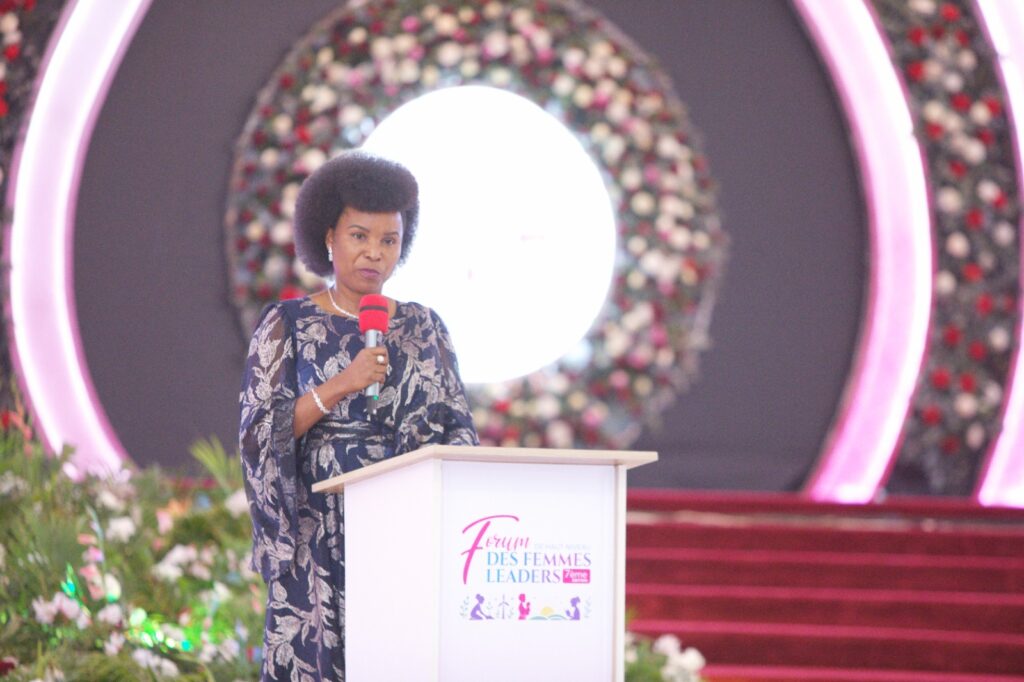
Burundi hosted the seventh African First Ladies’ Forum on November 4–5, 2026, bringing together First Ladies Angeline Ndayishimiye of Burundi, Brigitte Touadéra of the Central African Republic, Ana Afonso Dias Lourenço of Angola and Marie Khone Faye of Senegal to discuss women’s empowerment, economic inclusion and climate resilience.
The two-day meeting, organized by Burundi’s Office of the First Lady for Development (OPDD) at the presidential palace in Kiriri, brought together First Ladies, government officials, international partners and representatives of regional and international organizations.
Held under the theme “Empowerment of young girls and women: A strategic lever for human capital development and strengthening resilience to climate change,” the forum focused on the role of women in economic development, decision-making and environmental protection.
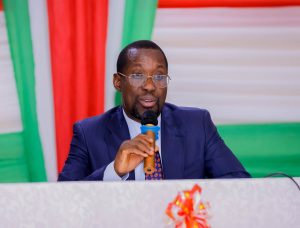
Burundian President and African Union Chairperson Évariste Ndayishimiye, who officially opened the forum alongside First Lady Angeline Ndayishimiye, said women should have greater opportunities to shape their own futures and contribute to national development.
“Women are capable of accomplishing great things. We are all called upon to support them,” he said, emphasizing the need for their inclusion in education, healthcare, the economy and politics.
He also highlighted women’s contribution to climate resilience, noting their central role in managing land, water, food and household resources. Supporting women, he said, also strengthens communities against droughts, floods and other climate-related challenges.
First Lady Angeline Ndayishimiye called for greater economic independence for women, including equal rights in managing family resources and better access to financial opportunities.
“Women need to be given equal rights with others in managing family assets,” she said during the opening session.
She described women as essential contributors to their families and countries, arguing that empowering them requires access to knowledge, resources and opportunities.
The First Lady also raised concerns about inequalities in employment and wages, as well as the impact of climate-related disruptions on girls’ education. She urged young women to remain committed to their ambitions despite the challenges they face.
The United Nations Resident Coordinator in Burundi, Violet Kakyomya, commended the First Lady’s efforts to advance women’s health, education and economic empowerment.
Ézéchiel Nibigira, president of the Commission of the Economic Community of Central African States (ECCAS), also underscored the connection between women’s empowerment and sustainable development.
“When a woman is trained, a nation rises,” he said, emphasizing that women are not only affected by climate change but are also central to developing solutions and strengthening resilience.
The forum concluded on November 5 with calls for participants to translate their discussions and recommendations into measurable action.
Vice President Prosper Bazombanza, representing President Ndayishimiye at the closing ceremony, urged women to move beyond traditional expectations that confine them to household responsibilities and childcare.
He called for greater participation in economic activities, environmental protection and community leadership, encouraging women to strengthen their skills, embrace technology and work collectively through cooperatives and associations.
He also highlighted practical environmental measures, including maintaining household and public cleanliness and clearing drainage channels to help prevent flooding.
“The women and young girls must not be mere observers of their development, but must become the principal actors in their own transformation,” was the central message of his address.
In her closing remarks, Angeline Ndayishimiye thanked the participating First Ladies, international delegations and development partners, urging them to ensure that the forum’s recommendations lead to tangible improvements in communities.
She stressed that the success of the meeting should be measured not by the discussions held but by the initiatives implemented afterward.
The First Lady also proposed further dialogue involving both women and men to strengthen shared responsibility in advancing development goals.
The seventh edition of the forum ended with a renewed call for stronger collaboration, women’s leadership and climate action. The challenge now is to turn commitments made in Bujumbura into practical initiatives that improve the lives of women and girls across Africa.