Bujumbura hosted its first-ever Cursor developer community event, marking a significant moment for AI-assisted coding in Burundi. Organized by software engineer and lecturer Huzaifa Nimushimirimana, the initiative introduced local developers and students to modern AI workflows, fast prototyping, and collaboration-driven learning, signaling an important shift in how the country’s growing tech ecosystem approaches software development.
The event arrived at a critical time. AI tools are rapidly reshaping global development standards, and Nimushimirimana argued that Burundi cannot afford to lag behind. His motivation came from firsthand experience. He explained that Cursor fundamentally changed how he works as a developer, helping him onboard faster into large codebases, ship features more efficiently, and reduce repetitive tasks so he can focus on real problem-solving. Bringing the tool to Bujumbura, he said, was about giving local developers the confidence that they can compete globally instead of waiting until the gap becomes too wide.
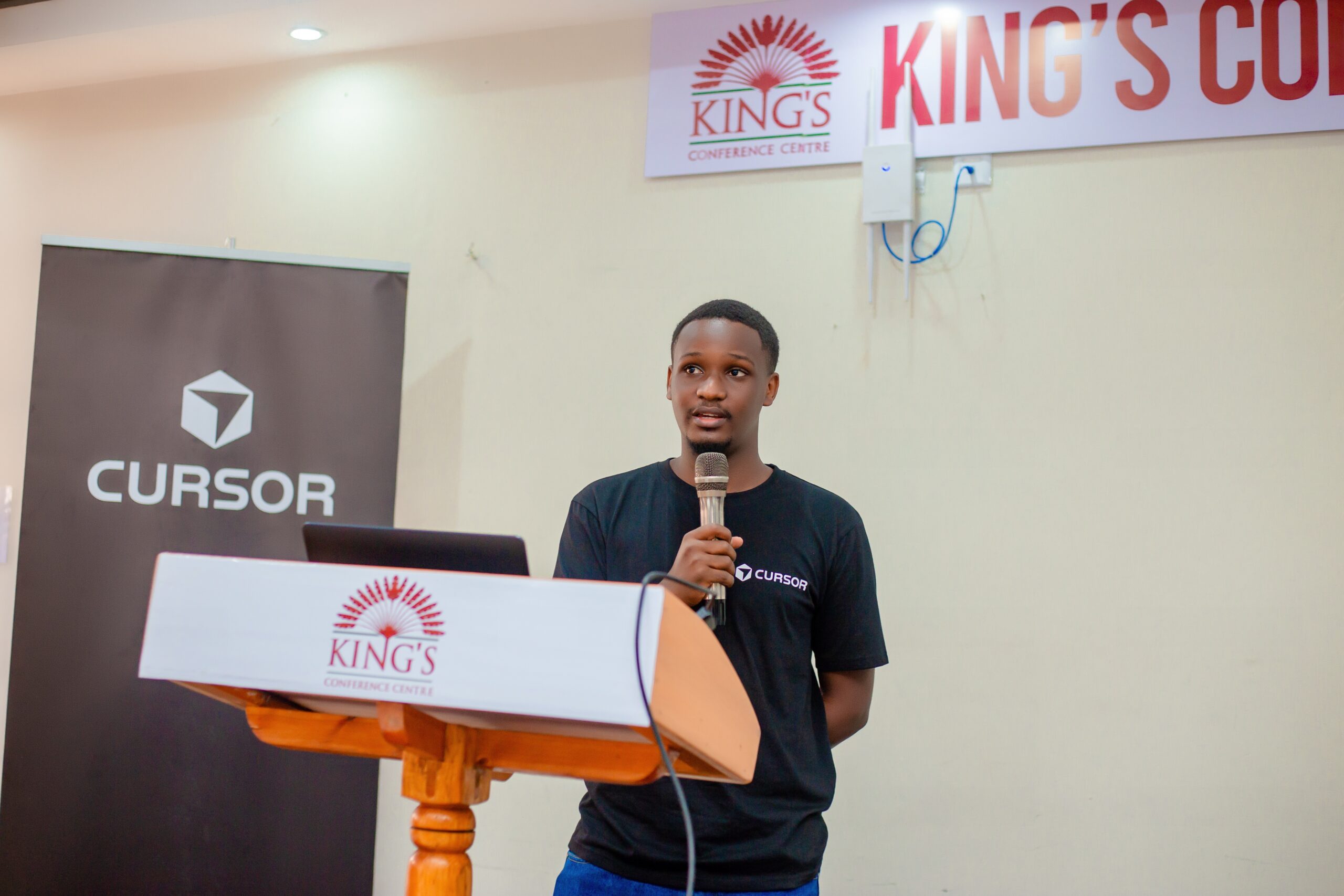
Behind this initiative is a profile built around both technical expertise and community engagement. Nimushimirimana works remotely as a Software Team Lead for a Norwegian company while teaching computer science at university level in Bujumbura. Over the years, he has mentored students, built products, and supported young creatives entering the tech industry. He believes access to mentorship, exposure, and tools remains limited in Burundi, and that community learning accelerates ecosystem growth. “Sharing knowledge and creating spaces to learn together is one of the fastest ways to grow a tech ecosystem,” he said.
The event combined an AI-powered training session with a hands-on MVP building competition, a model designed to bridge theory and practice. Training alone can feel abstract, while competition alone can feel overwhelming. Blending them provided balance. Participants first learned how Cursor could assist with coding tasks, then immediately applied those skills to prototype real solutions. The approach also made the event accessible to people at different skill levels. Cursor enabled beginners to understand code, ask questions, and progress without feeling lost. More advanced developers used it to refactor quickly, explore ideas, and focus on higher-level problem-solving. “Cursor doesn’t replace thinking, it supports it,” Nimushimirimana emphasized, noting that everyone stayed in control of their work but moved much faster.
For him, the most meaningful outcome was watching beginners transform during the event. Some had never built a minimum viable product before, yet within hours they were presenting working prototypes, explaining their code, and defending their ideas. That shift, from hesitation to confidence, was a powerful indicator of what an AI-assisted learning environment can unlock.
A new collaborative spirit also emerged. Participants helped one another, shared prompts, exchanged explanations, and identified real-world problems worth solving. Nimushimirimana described the emerging Cursor Burundi Community as curious, practical, and impact-driven. What makes it unique, he said, is the intention to create solutions that address local needs instead of experimenting in isolation.
Two winning prototypes showed this approach clearly. One project by Floris Hatungimana proposed a crop disease photo journal where farmers upload images of diseased crops to build a shared observation base. The system aims to help communities detect recurring issues and exchange solutions in a context where agronomic expertise is scarce. Another project by Lee Fleury Ntacorigira created an administrative services map answering the question “Where do I go to do what?”, guiding citizens toward the correct institution for common procedures and reducing wasted time.
Top projects received Cursor credits and OpenAI credits, allowing developers to continue building beyond the event. For Nimushimirimana, this support sends a broader message: access to tools and learning is possible, and building does not need to stop at the prototype stage.
Judges, co-hosts, and sponsors contributed technical feedback, logistical support, and resources that ensured the event’s success. Nimushimirimana described the experience as a collective effort where each partner played a meaningful role in enabling participation and impact.

The Cursor Burundi Community plans more workshops, advanced training, and hackathons in 2026, alongside partnerships with universities, local companies, and global tech actors. The vision is to normalize AI-assisted development as a standard part of learning and working in Burundi.
Nimushimirimana sees accelerated learning and building as the biggest opportunity for Burundian developers, but warns against blind dependency on AI. Fundamentals still matter, he said, and responsible use will shape how impactful this shift becomes. For now, Bujumbura’s first Cursor community event stands as an important beginning, one that could influence how the next generation of developers in Burundi learn, collaborate, and compete.