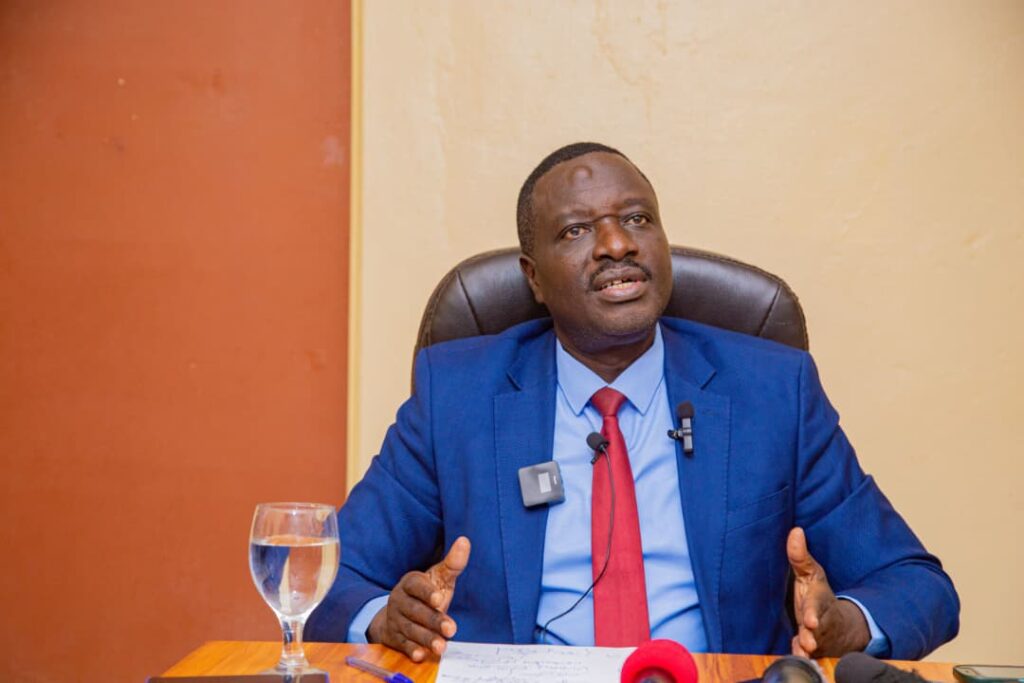
On the sidelines of World Press Freedom Day, celebrated each year on May 3, PARCEM representative Faustin Ndikumana delivered a critical assessment of the role of the media in Burundi.
He emphasized that the press remains a fundamental pillar of economic development, and even of the country’s long-term ambitions as outlined in key national planning frameworks such as Vision 2040–2060 and the National Development Plan. “A deeper analysis of the media shows that they are at the heart of government communication,” he noted, stressing that authorities are expected to use the press to regularly inform citizens about public actions and policies.
Beyond this function, Ndikumana highlighted the media’s essential role in civic education and public awareness. He underscored that a free press enables citizens to exercise oversight over public affairs, contributing to good governance, the fight against corruption, and the exposure of abuses—including those committed by state officials. “The media also serve as a foundation for government accountability,” he added, pointing to the importance of ensuring access to reliable information.
However, he expressed concern over what he described as a still-restrictive environment for journalists. He cited cases of imprisoned media professionals, the discouragement of investigative journalism, and limitations on public debate around critical national issues such as fuel shortages.
Ndikumana also criticized the role of some state media outlets, arguing that they increasingly function as channels of government communication rather than platforms for diverse viewpoints. He further pointed to ongoing restrictions during electoral periods and the continued difficulty for citizens and journalists to access public information.
Finally, he recalled that important recommendations had been made during the 2022 General States of Communication and Media. He urged authorities to implement these reforms, arguing that doing so would strengthen the media’s role as a driver of both economic development and democratic governance in Burundi.
Note that in the 2026 World Press Freedom Index published by Reporters Without Borders, Burundi ranks 119th out of 180 countries. While this reflects a slight improvement from its 125th position in 2025, the country remains classified in the “difficult” zone, underscoring persistent challenges related to media independence, journalists’ safety, and access to information.