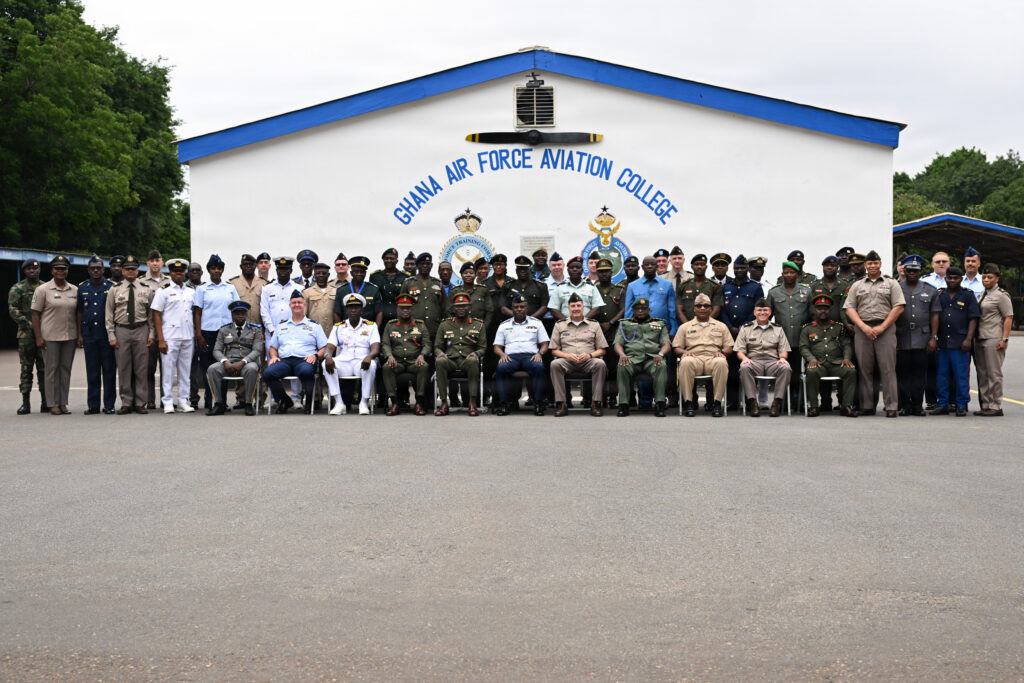
Military chaplains and religious affairs leaders from across West Africa have gathered in Ghana for the inaugural West Africa Religious Affairs Symposium (WARAS), an initiative aimed at strengthening ethical leadership, military resilience and regional cooperation through faith-based partnerships.
During a July 15 press briefing, Chaplain Colonel Kevin Forrester, Command Chaplain at U.S. Africa Command (AFRICOM), and Sergeant Major Herinah Asaah, Religious Affairs Senior Enlisted Leader at AFRICOM, spoke to African journalists from the symposium, which is taking place in Accra from July 14 to 16, 2026. The officials outlined how military chaplaincy is evolving to address emerging security challenges while fostering resilience, moral leadership and interfaith cooperation among armed forces across the region.
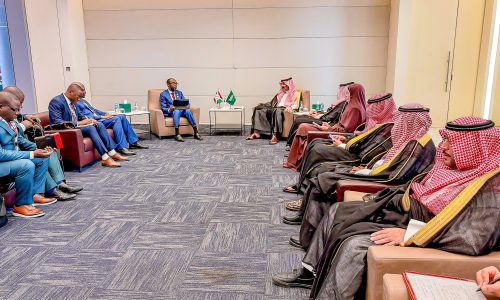
The symposium, co-hosted by the Ghana Armed Forces and U.S. Africa Command, brings together military religious leaders from ten West African countries alongside representatives from the U.S. Army and Air National Guard’s State Partnership Program to exchange best practices and strengthen regional partnerships.
Organizers say the event comes at a time when many African countries face increasingly complex security challenges, including violent extremism, political instability, humanitarian crises and growing pressure on military personnel operating in difficult environments.
Religion as a strategic asset
Speaking during a virtual briefing with African journalists, Chaplain Colonel Kevin Forrester, AFRICOM’s Command Chaplain, described religion as a critical factor shaping African societies and military institutions.
“There is not a single country across Africa where religion is not a significant influence on culture and people,” Forrester said.
He argued that military chaplains provide more than spiritual guidance, helping commanders promote ethical conduct, strengthen morale and build resilience among service members.
Rather than exporting an American model of military chaplaincy, he said the symposium seeks to encourage collaboration while respecting each country’s religious diversity.
“We’re not here to impose the U.S. model. We’re here because we deeply respect the pluralistic nature of these nations.”
The symposium includes Christian and Muslim military religious leaders working together to improve cooperation and develop common approaches to supporting troops regardless of faith tradition.
Supporting soldiers beyond the battlefield
Sergeant Major Herinah Asaah, AFRICOM’s Senior Enlisted Leader for Religious Support, said today’s military personnel face new pressures ranging from prolonged deployments to misinformation circulating on social media.
She said modern military chaplaincy has evolved beyond traditional office-based counseling.
“The best ministry happens when you show up,” Asaah said, emphasizing that chaplains increasingly engage troops both in person and through digital platforms.
Several participating countries shared how they are using secure digital communication tools and social media to remain connected with soldiers stationed in remote areas where physical access remains difficult.
Asaah, who was born in Cameroon, noted that spirituality remains deeply embedded in daily life across much of West Africa, making cultural understanding essential for supporting military personnel effectively.
“You cannot build resilience in a military force without understanding that cultural reality,” she said.
Building resilience before deployment
Both speakers stressed that preparing troops psychologically and spiritually before deployment is just as important as supporting them during military operations.
According to Asaah, military chaplains work alongside religious affairs specialists to equip service members and their families with coping strategies before deployments begin.
Training focuses on emotional resilience, managing separation from families and reducing the stigma associated with seeking psychological or spiritual support.
“We try to build what we call spiritual armor before deployment,” she explained.
Ethics at the center of military operations
Beyond providing pastoral care, military chaplains also advise commanders on ethical decision-making and religious sensitivities that could affect military operations.
Forrester said chaplains play an important role in ensuring commanders understand the moral implications of operational decisions while respecting the religious traditions of local communities.
“We advise commanders on morals, ethics and the impact of religion on military operations,” he said.
Such guidance, he added, helps strengthen professionalism and reduce the risk of cultural misunderstandings during multinational operations.
Regional cooperation beyond politics
Although WARAS focuses on religious support, organizers say its broader objective is to foster stronger regional partnerships among West African militaries.
Participants hope the symposium will encourage continued exchanges of best practices and create lasting professional networks among chaplains working in countries facing similar security challenges.
Many participating military chaplaincies are still relatively young, with some established less than two decades ago.
Forrester said building personal relationships among chaplains from different countries could prove invaluable.
“If I have a friend in Sierra Leone, Nigeria or Togo who understands the same challenges I face, that relationship becomes an important source of support,” he said.
Organizers also highlighted Ghana’s example of religious coexistence within its armed forces, where military places of worship representing different faiths are located side by side, symbolizing cooperation and mutual respect.
Looking ahead, participants said they hope future regional symposiums will strengthen collaboration among African military chaplaincies in confronting violent extremism while promoting peace and respect for religious diversity.
“This is not about politics,” Asaah said. “It is about bringing people of faith together to strengthen our military communities and contribute to peace.”
AFRICOM officials said similar regional religious affairs symposiums are expected to expand to East Africa after previous engagements in Southern Africa and this year’s inaugural West African gathering.