The United States has imposed sanctions on a Rwandan gold refinery and several individuals and companies accused of facilitating the illegal trade in conflict minerals from eastern Democratic Republic of the Congo (DRC), in what Washington says is part of a broader effort to disrupt financing for the armed group M23 and strengthen regional peace initiatives.
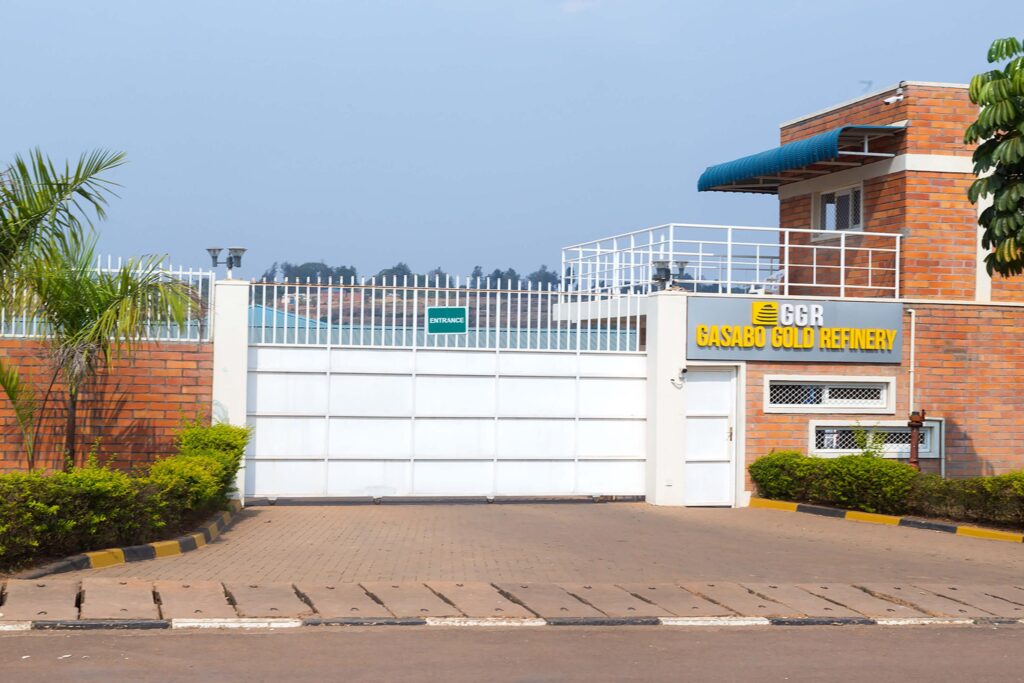
The measures, announced Thursday June 25, 2026, by the U.S. Department of the Treasury’s Office of Foreign Assets Control (OFAC), target Gasabo Gold Refinery LTD, its chairman Jean Malic Kalima, general manager Bosco Kayobotsi, and three mining companies controlled by Kalima. U.S. authorities allege the network worked closely with the Rwanda-backed March 23 Movement (M23) to smuggle gold from eastern DRC into Rwanda before refining it for international markets.
According to the Treasury Department, the sanctions support the Washington Accords for Peace and Prosperity, a U.S.-brokered agreement signed on December 4, 2025, by the presidents of Rwanda and the Democratic Republic of the Congo. The accord aims to expand regional trade, improve transparency in critical mineral supply chains, and promote long-term economic development.
Conflict Minerals Continue to Finance Armed Violence
Announcing the sanctions, U.S. Treasury Secretary Scott Bessent said Washington would continue targeting networks that profit from conflict minerals.
“The United States will not allow rogue groups to profit from the illicit mineral trade and destabilize the region,” Bessent said. “The Democratic Republic of the Congo’s mineral wealth rightfully belongs to the Congolese people. Under President Trump’s leadership, we will continue to take decisive action against those who enable violence, exploitation, and attacks against the Congolese people.”
The Treasury reiterated that M23—designated as an armed group by both the United States and the United Nations—has been responsible for numerous human rights abuses while using revenues from illicit mineral trafficking to finance its military operations.
Alleged Gold Smuggling Network
According to OFAC, following M23’s capture of large areas of eastern DRC, including the provincial capitals of Goma and Bukavu, gold extracted from mines in South Kivu allegedly moved through a coordinated network involving M23 fighters and members of the Rwanda Defence Force (RDF).
U.S. officials allege that after the gold was removed from mining sites in M23-controlled territory, RDF personnel supervised its transport across the border into Rwanda, where it was delivered to Gasabo Gold Refinery in Kigali for processing.
Treasury officials estimate that at least 60 kilograms of gold, worth several million U.S. dollars, were transferred through the network during early 2026 alone.
The Treasury also noted that the European Union had previously sanctioned Gasabo Gold over allegations that it transported illegally extracted gold from the Democratic Republic of the Congo.
Companies and Individuals Sanctioned
The latest sanctions designate: Gasabo Gold Refinery LTD, Jean Malic Kalima, chairman of Gasabo Gold, Bosco Kayobotsi, general manager of Gasabo Gold, Bugambira Mines LTD, Wolfram Mining and Processing LTD, Rwinkwavu Mining Corporation LTD
According to OFAC, the refinery was designated for allegedly providing material and financial support to M23 and for participating in the illicit trade of Congolese natural resources.
Kalima and Kayobotsi were sanctioned because of their leadership roles within Gasabo Gold, while the three mining companies were designated because they are owned or controlled by Kalima.
Washington Links Mineral Trade to Regional Conflict
The Treasury said the illicit trade in minerals remains one of the principal financial lifelines for armed groups operating in eastern Congo.
According to U.S. officials, minerals extracted from conflict zones are frequently smuggled through Rwanda before entering international refining and processing markets, including China.
Washington argues that revenues generated from these supply chains enable armed groups to purchase weapons, recruit fighters, and sustain military operations while exposing local communities to forced labour, child labour, sexual violence, and dangerous working conditions.
The Treasury also referenced the collapse of a mine shaft at the Rubaya coltan mine in March 2026, which it said killed more than 200 people, including children, as an example of the human cost associated with conflict-controlled mining operations.
Continuing Pressure on M23 and Rwanda
The sanctions form part of a broader U.S. campaign targeting those accused of supporting instability in eastern Congo.
Since Rwanda and the Democratic Republic of the Congo signed the Washington Accords, the Treasury has announced several rounds of sanctions against individuals and entities allegedly connected to M23 and its supporters, including measures introduced on March 2, April 30, and June 2, 2026.
The U.S. has previously sanctioned the Rwanda Defence Force, accusing it of providing military, financial and logistical support to M23 during its offensives in eastern Congo. Rwanda has consistently rejected allegations that it backs the rebel movement.
What the Sanctions Mean
Under the new measures, all assets and property belonging to the designated individuals and entities that fall under U.S. jurisdiction are blocked. U.S. citizens and businesses are generally prohibited from conducting transactions with sanctioned persons or companies unless specifically authorized by OFAC.
The Treasury warned that foreign financial institutions and businesses could also face sanctions if they knowingly facilitate significant transactions involving designated individuals or entities.
The department emphasized that sanctions are intended to encourage changes in behavior rather than serve as punishment and noted that designated persons may petition for removal from the U.S. sanctions list if they meet the legal requirements.