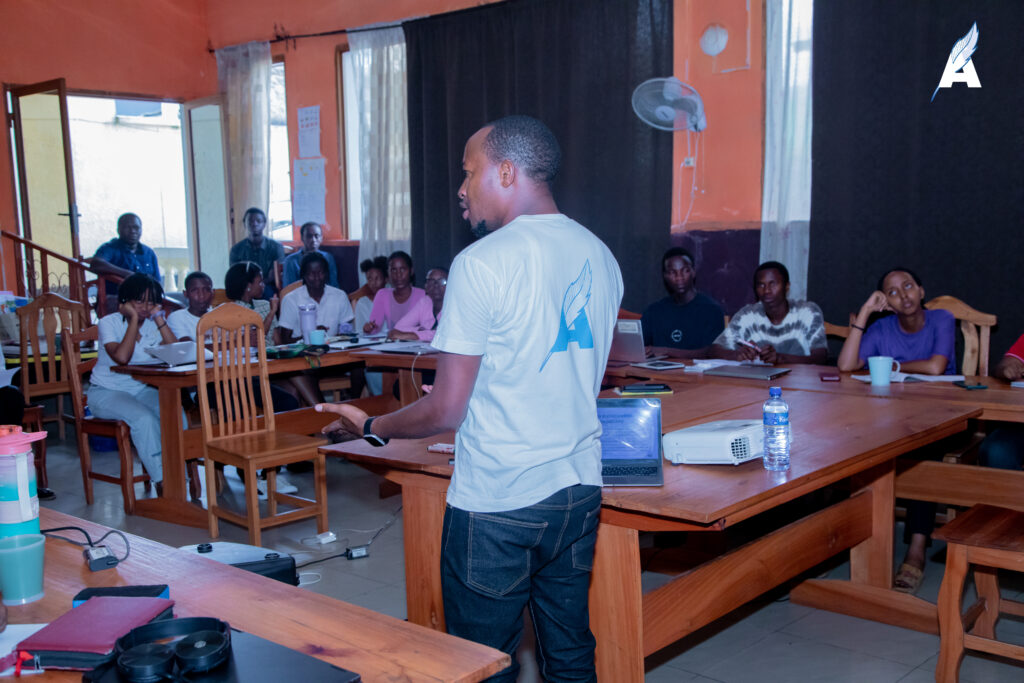
Young Burundians at the Tujenge Africa Foundation were challenged on Thursday, May 28, 2026, to rethink entrepreneurship as a tool for social transformation during a guest lecture by journalist and media entrepreneur Melchisedeck Boshirwa titled “What Does Building Successful Ventures Look Like?” Held as part of the Agile Project Management course led by Program Manager Jean de Dieu Ndayishimiye, the session focused on equipping students with project management and entrepreneurial skills aimed at preparing a new generation of changemakers capable of addressing Burundi’s economic and social challenges.
The lecture came at a time when Burundi’s future is increasingly being linked to a new generation of entrepreneurs capable of transforming local challenges into sustainable business opportunities.
Throughout the presentation, participants were encouraged to rethink entrepreneurship not simply as business creation, but as a tool for solving real community problems and driving social transformation across Burundi and Africa.
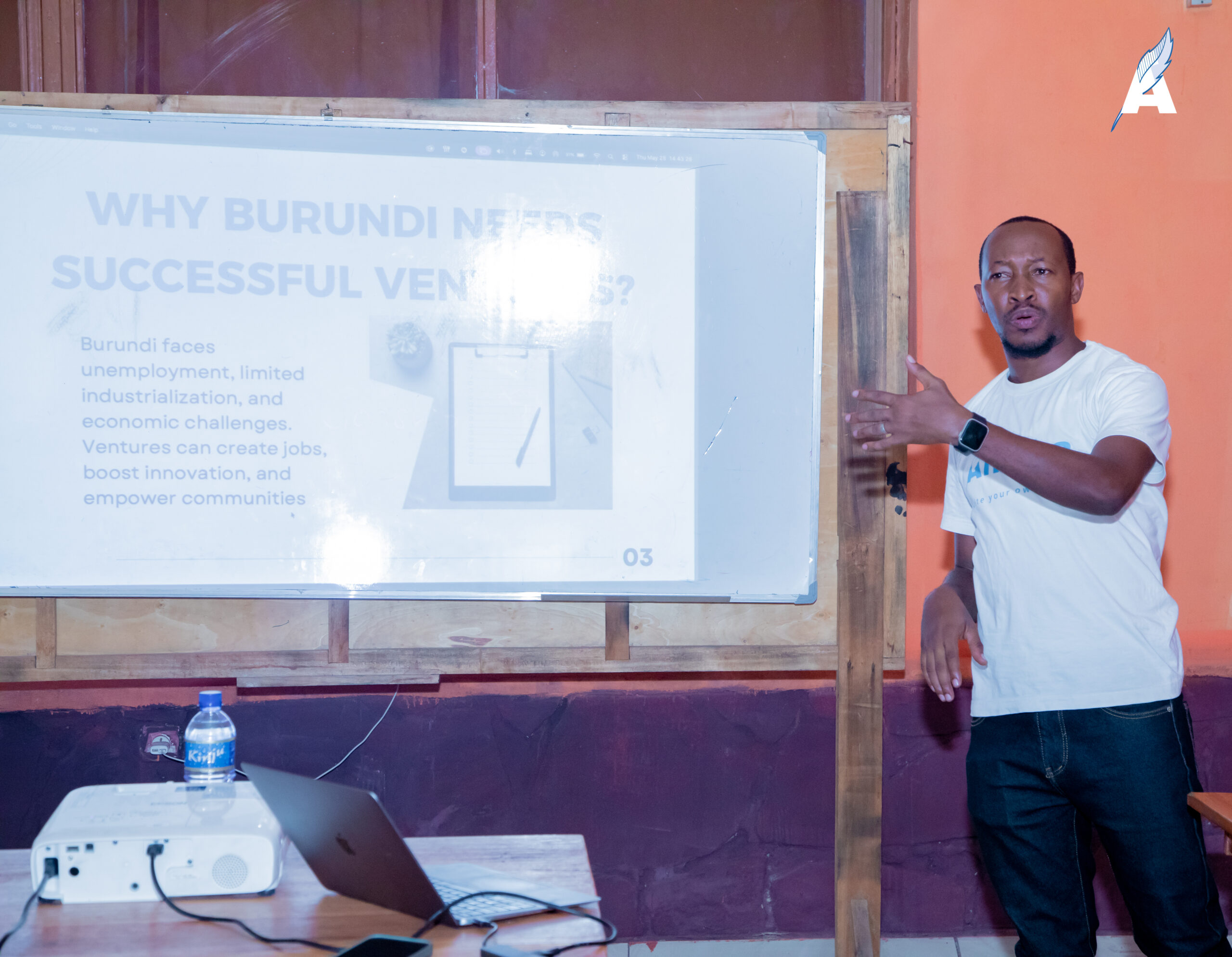
“A successful venture solves real problems, creates value, and grows sustainably,” the presentation emphasized, while encouraging young entrepreneurs to build businesses rooted in local realities but capable of competing globally.
The discussion highlighted how Africa’s rapidly growing young population and expanding digital landscape present unique opportunities for countries like Burundi to accelerate economic growth through innovation-driven ventures.
According to the guest speaker, successful African businesses are often built around solving pressing challenges such as access to finance, healthcare, education, energy, and markets. Rather than relying solely on advanced technology, innovation was described as the ability to improve existing systems and provide affordable, practical solutions adapted to local realities.
Burundi continues to face significant economic challenges, including youth unemployment, limited industrialization, and inadequate infrastructure. Yet guest speaker argued that those same challenges can become opportunities for innovation and enterprise development.
Key sectors identified as future drivers of Burundi’s economy included agribusiness, renewable energy, digital media, tourism, education technology, financial inclusion, health innovation, logistics, and climate-smart agriculture.
The lecture also explored how technology is reshaping entrepreneurship across Africa. Mobile money systems, digital payments, artificial intelligence, and monetized social media content were presented as emerging tools capable of opening new markets and empowering African startups.
Despite growing innovation, access to funding remains a major obstacle for many young entrepreneurs across the continent. Young business founders often struggle to secure financing from traditional banking systems, forcing them to rely on alternative support mechanisms such as savings groups, grants, incubators, and partnerships.
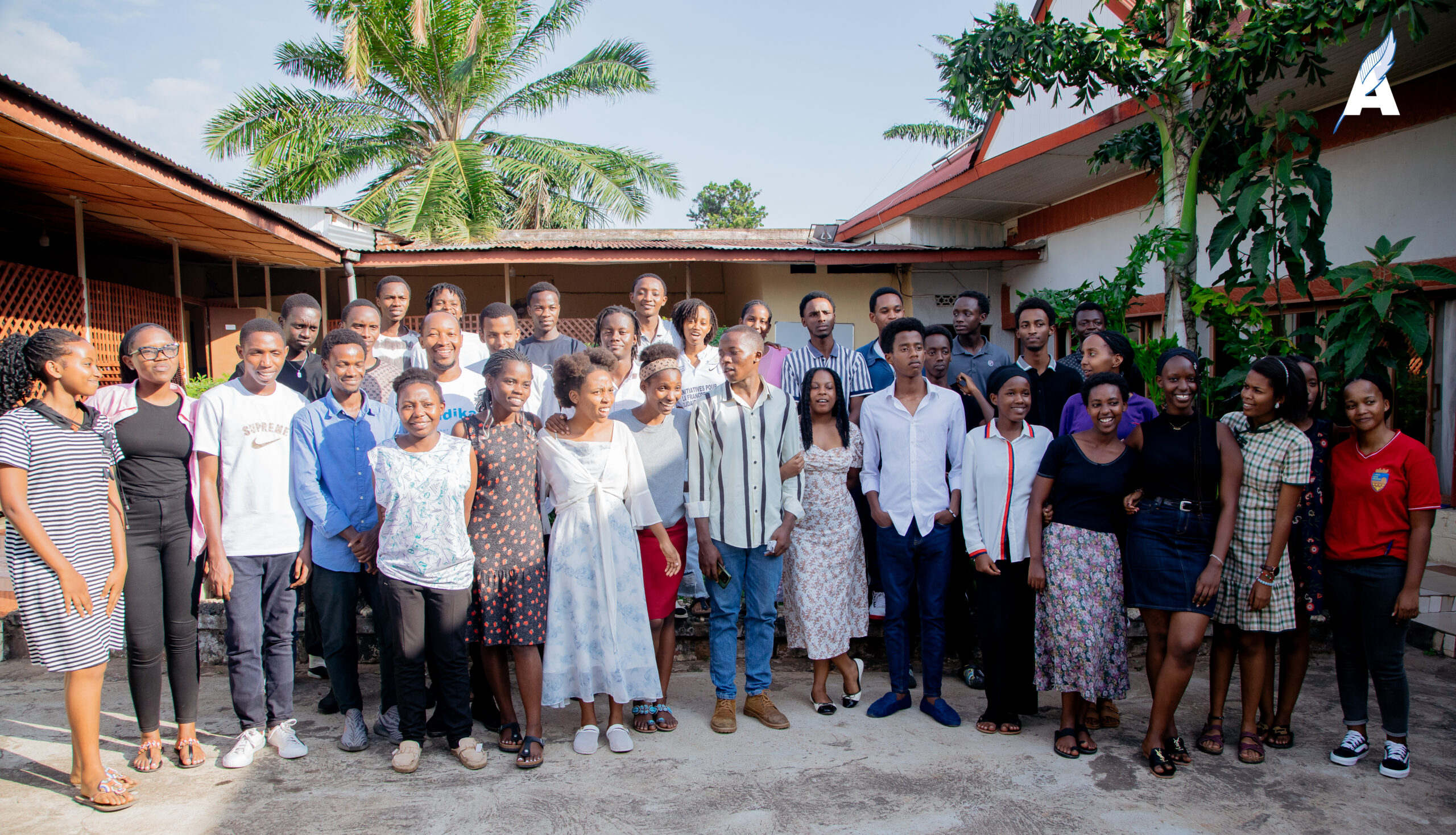
In Burundi, initiatives such as PAEEJ, BBIN, and Orange Corner Burundi were highlighted as important platforms helping support youth entrepreneurship and startup growth.
Participants were also reminded that successful ventures depend not only on funding, but on strong leadership, resilience, integrity, teamwork, and long-term vision. Sustainable businesses, the lecture stressed, must balance profitability with social and environmental responsibility.
The session further emphasized the importance of reforming entrepreneurship education across Africa — beginning from kindergarten through university — to equip young people with creativity, practical skills, and the confidence to create ventures rather than rely solely on employment opportunities.
Examples of African business success stories, including MTN Group, Dangote Industries Limited, KCB Group,…, were cited as evidence that African companies can scale globally by solving local problems through innovation and partnerships. In Burundi, companies such as Lumitel, Econet Wireless, and BRARUDI were highlighted as examples of businesses that have combined local impact with regional collaboration and growth.
One of the strongest messages delivered during the lecture was directed at Burundian youth. “Yes, Burundian youth can build successful ventures,” the presentation concluded, calling on young people to embrace innovation, collaboration, resilience, and bold leadership in order to transform challenges into opportunities.
As discussions ended, participants left with a broader vision of entrepreneurship—not merely as profit-making, but as a pathway toward sustainable development and long-term transformation for Burundi and Africa.
Tujenge Africa Foundation’s Program Manager Jean de Dieu Ndayishimiye noted that within Cohort 9 alone, six students have already founded social enterprises and community-based organizations — a sign of growing youth-driven innovation within the foundation.