PARCEM (Burundi’s Parole et Action pour le Réveil des Consciences et l’Évolution des Mentalités) has called for a national debate on energy security, warning that persistent challenges involving fuel, electricity and access to clean water continue to affect the country’s economy and citizens’ living conditions.
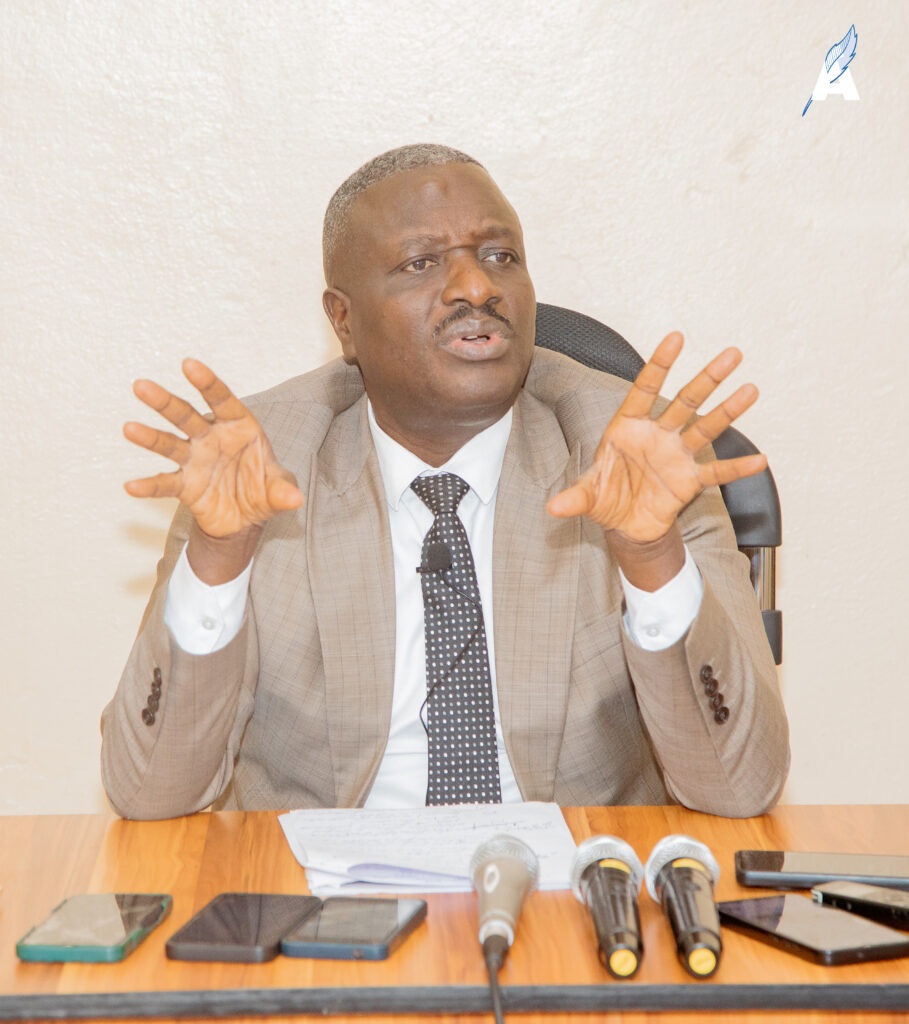
The call was made on August 21, 2026, during a press conference at PARCEM’s headquarters in Bujumbura, held as part of the organization’s budget monitoring work and the presentation of an analysis titled: “The Country’s Energy Strategy Through the Budget of the Ministry of Mining, Energy, Industry, Trade and Tourism: State of Affairs and Prospects.”
Faustin Ndikumana, speaking at the press conference, said PARCEM sought to provide a broad assessment of Burundi’s energy strategy and how the government is financing its implementation. He said the national budget provides an important indication of the government’s political priorities and its commitment to implementing public policies.
According to Ndikumana, Burundi’s energy situation should be examined through three fundamental areas: fuel, electricity and water. He stressed that energy security is closely linked to economic development and citizens’ well-being, pointing to the role of energy and transportation in driving industrialization and economic growth around the world.
Fuel, he said, is particularly important because it enables the movement of people and goods. He described fuel as a strategic commodity and warned that a government unable to guarantee a reliable supply risks undermining its broader development commitments.
Ndikumana also highlighted the impact of fuel shortages on daily life in Bujumbura, saying people can spend many hours waiting for transportation. He warned that prolonged disruption to the movement of people and goods creates safety concerns and affects the image of Bujumbura as Burundi’s economic capital.
PARCEM said the promotion of electric vehicles could provide a long-term response to the fuel challenge but argued that it would not offer an immediate solution. Ndikumana noted that even countries in Europe have not transitioned to electric mobility quickly enough to eliminate their dependence on conventional fuels.
On electricity, PARCEM questioned whether recent investments in power generation have translated into a more reliable electricity supply. Ndikumana acknowledged the inauguration of two hydropower plants but said the electricity network remains unstable.
He also raised concerns about the condition of Bujumbura’s electricity distribution network, which he described as outdated. PARCEM is calling for greater clarity on government projects aimed at upgrading the network and questioned the current capacity and plans of REGIDESO in the energy sector.
Water supply was another major concern raised by the organization. Ndikumana said Burundi’s challenges in expanding access to clean water have persisted for decades, despite the existence of various projects intended to improve water networks.
He cited Bujumbura, Gitega and Ngozi among the cities where residents can reportedly go for extended periods without reliable access to water. He linked inadequate water access to public health and hygiene concerns, particularly amid recurring cholera outbreaks in Burundi.
PARCEM also questioned the effectiveness of public investment in the mining and energy sectors. Ndikumana called for greater clarity on the ministry’s current programs and the implementation of projects included in the national budget.
He argued that the mining sector should play a stronger role in generating foreign currency through mineral exports and contributing to the financing of the country’s development. At the same time, he questioned whether projects listed in government budgets are producing visible improvements in citizens’ living conditions.
According to figures presented by PARCEM, the budget under review includes about 508 billion Burundian francs in external financing, alongside approximately 188 billion Burundian francs in domestic financing. The organization said projects supported by such resources should deliver measurable results and be based on studies adapted to the realities of their implementation.
Ndikumana also questioned the leadership and effectiveness of the ministry responsible for mining and energy, arguing that the sector requires stronger coordination and direction.
PARCEM is ultimately calling for stronger leadership in the management of the fuel sector and for the organization of a national dialogue and national conference on energy security. The organization says such a process should bring together key stakeholders to identify sustainable solutions to Burundi’s challenges in fuel supply, electricity and access to clean water.
For PARCEM, energy security is not simply a technical or budgetary issue. It is a central pillar of economic development, public health, mobility and the overall well-being of Burundi’s population.