The 5th Continental Dialogue on Youth, Peace and Security and the Women, Peace and Security Forum concluded on Wednesday August 12, 2026 in Burundi’s capital, bringing together leaders, policymakers, young people, and development partners from across Africa for three days of discussions on conflict prevention, peacebuilding, and inclusive governance.
Held under the theme, “Water, Peace and Inclusive Leadership in Africa: Institutionalizing the Strategic Role of Youth and Women in Conflict Prevention, Risk Management and Sustainable Peacebuilding through Responsible Resource Governance,” the event ended with a celebration of African youth leadership, entrepreneurship, and innovation.
The final day began with a visit by foreign delegations to the RUSI Polytechnic Training and Professional Retraining Center in Karusi, where participants explored skills development and vocational training initiatives aimed at empowering young people in Burundi.
The delegations later returned to Bujumbura for the fourth edition of Inkerebutsi Day, an annual event organized by PAEEJ that recognizes young Burundian entrepreneurs whose projects are creating solutions for their communities.
Among ten finalists, three entrepreneurs were awarded top honors. Dr. Jackson Nsabiyumva, whose project transforms rabbit urine into organic fertilizer, received third place and a prize of 10 million Burundian francs. Second place went to Indangaburundi Traditional Club for its efforts to preserve and promote Burundian culture, earning 15 million francs. The top prize of 20 million francs was awarded to Bosco Nzisabira, who built a dam in Rwibaga and plans to expand access to electricity through the initiative.
Speaking during the ceremony, PAEEJ Coordinator Désiré Manirakiza urged young Africans to take ownership of their future rather than waiting for opportunities to come to them. Reflecting on the meaning of Inkerebutsi—a Kirundi term associated with courage, initiative, and entrepreneurship—he encouraged youth to move from expectation to action.
That message was echoed by Thierry Ingabire, President of Burundi’s National Youth Council, who praised the winners for their creativity, resilience, and leadership. He stressed that the value of young people should not be measured solely by profit but also by their perseverance, integrity, and impact on society.
“We do not only want to be heard; we want to be entrusted with responsibility. We do not only want to participate; we want to contribute,” Ingabire said, calling on African youth to transform dialogue into action and action into lasting change.
Representing participants, Amine Bello, African Youth Ambassador for Peace (AYAP) for Central Africa, thanked Burundi and its people for hosting the event. She also presented the final communiqué, which called for stronger participation of youth and women in peace and decision-making processes, responsible management of natural resources, greater support for youth empowerment and women’s leadership, and concrete implementation of commitments made during the dialogue.
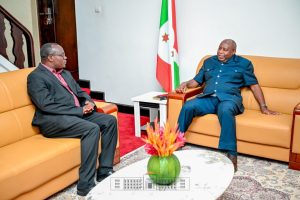
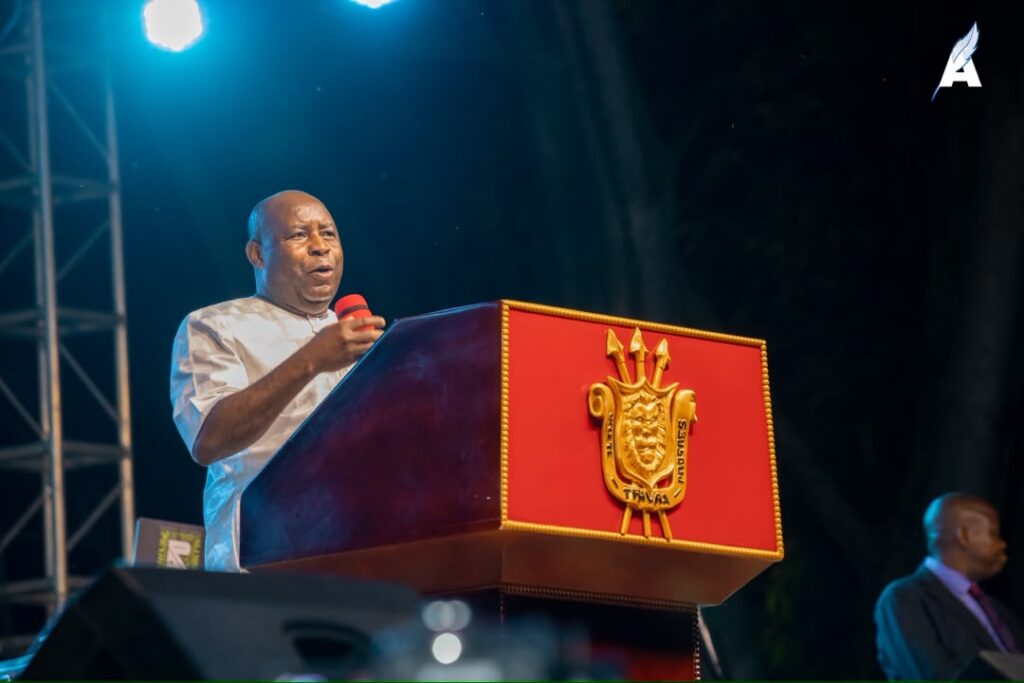
In his closing address, Burundian President and current African Union Chairperson Évariste Ndayishimiye delivered a deeply personal message to Africa’s youth.
Reflecting on his own life, Ndayishimiye said he spent 18 years of his youth involved in conflict when he would have preferred to devote that time to work and national development. After recognizing what he described as lost years, he turned to agriculture and livestock farming to rebuild his future.
“I lost my youth, and I do not want that to happen to you,” he told participants, urging young people to reject conflict and focus on building prosperous lives.
The president argued that poverty—not fellow citizens—should be seen as the true adversary facing Africa’s youth. He encouraged young people to embrace entrepreneurship and hard work as pathways to prosperity and stability.
Ndayishimiye also emphasized that the Youth, Peace and Security Agenda and the Women, Peace and Security Agenda remain distinct frameworks with separate priorities and implementation mechanisms. However, he said their complementary nature can strengthen youth and women’s participation in conflict prevention, mediation, governance, peacebuilding, and community resilience.
Calling for greater national ownership of both agendas, he encouraged participants to advocate for regular national youth dialogues in their respective countries and to help translate continental commitments into local action.
Addressing young Africans directly, he urged them to embrace hard work, solidarity, patriotism, and nonviolence.
“Africa needs you standing, educated, entrepreneurial, and united,” he said, noting that despite the continent’s diversity, Africans share a common future.
The president also thanked the African Union, the United Nations, the African Development Bank, the United Nations Economic Commission for Africa, the East African Community, the Organisation Internationale de la Francophonie, FemWise-Africa, and other technical and financial partners for supporting the event.
The closing ceremony concluded with gifts presented to distinguished guests before celebrations continued with a concert featuring some of the Burundi’s most popular artists, including Kidumu, Mona Walda, B-Face, D-One, Ester Nish, Master Land, Vichou Love, and Sat-B.
As the three-day gathering came to a close, participants left with a shared message: Africa’s future cannot be waited for—it must be built. And that future, speakers repeatedly emphasized, depends on empowered youth, women fully included in decision-making, responsible governance, and the transformation of commitments into concrete action.