Burundi’s Bururi Forest Nature Reserve is seeking to strengthen conservation and develop its tourism potential by involving communities living around the protected area.
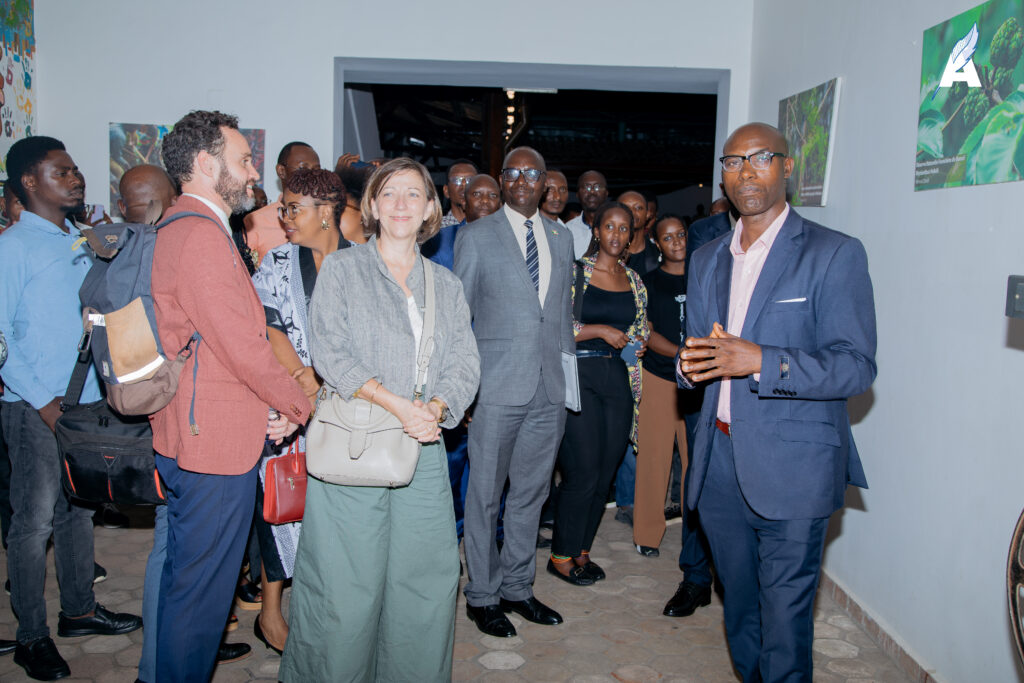
The message emerged Tuesday, October 06, 2026, during the closing ceremony of the “Cooperation for Biodiversity Conservation of the Bururi Forest Nature Reserve” project, held at the French Institute of Burundi.
Implemented by the NGO Conservation et Communauté de Changement (3C), in partnership with the Burundi Office for Environmental Protection (OBPE) and with support from the French Embassy in Burundi, the project focused on conservation, tourism infrastructure, biodiversity awareness and ecotourism.
Covering about 3,300 hectares, the reserve hosts more than 260 plant species, including several endemic species, as well as diverse wildlife. It is home to chimpanzees and nearly 200 recorded bird species. Beyond biodiversity, the reserve contributes to watershed protection, soil conservation, climate regulation, scientific research and environmental education.
3C legal representative Léonidas Nzigiyimpa said the project produced several key results, including a tourism business plan, 35 pieces of equipment such as uniforms, boots and smartphones for surveillance teams, and the rehabilitation of a biodiversity interpretation center.
The center now includes maps, photographs, books, furniture and audiovisual equipment and is intended for visitors, students, researchers and surrounding communities.
The project also maintained 33 kilometers of tourism trails and 15 kilometers of tracks, installed signs and built a surveillance post. Guides and trackers received additional training, including through an experience at Tanzania’s Gombe National Park.
A photographic exhibition highlighting the reserve and neighboring communities opened at the Institut français and will remain accessible from October 6 to 19, 2026.
France’s ambassador emphasized that biodiversity conservation must be linked to local development and ecotourism, arguing that protecting the forest requires the involvement of surrounding communities.
OBPE Director General Berchmans Hatungimana called for the project’s achievements to be sustained through continued surveillance, chimpanzee monitoring, infrastructure maintenance, tourism promotion and dialogue with communities.
The goal is to make Bururi a biodiversity sanctuary, a center for research and environmental education, and an ecotourism destination creating local opportunities.