Burundian civil society organization PARCEM has issued a stark warning over what it describes as a worsening socio-economic and political crisis in the country, accusing national leaders of failing to confront mounting challenges affecting nearly every sector of public life.
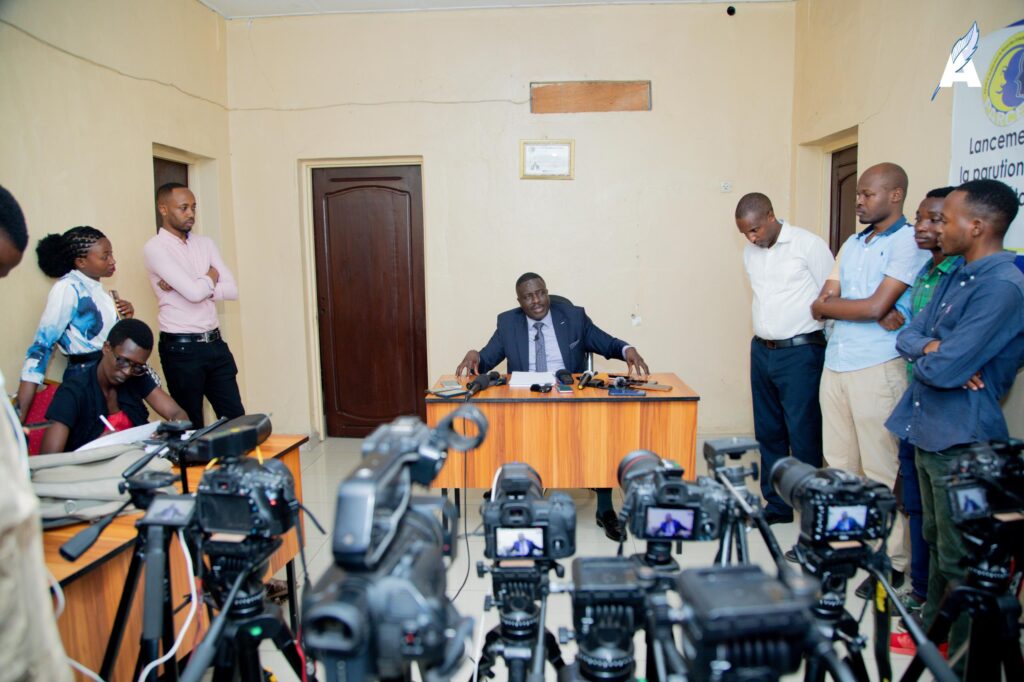
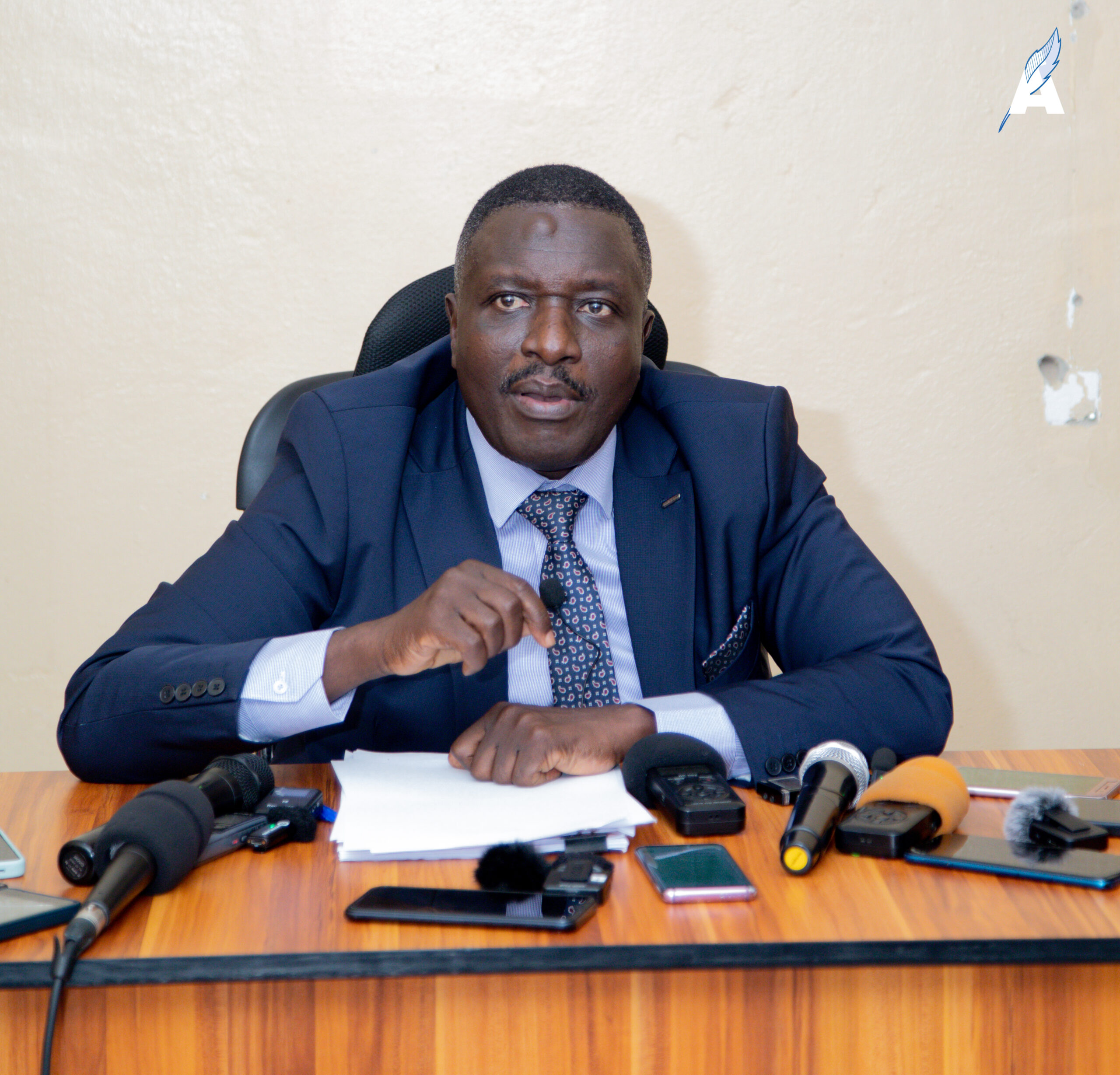
Speaking during a press conference on Wednesday, Faustin Ndikumana, co-founder and representative of PARCEM, announced the launch of a new monitoring campaign titled “Turiko Tujahe?” — a Kirundi phrase meaning “Where are we really heading?”
The initiative, he said, will serve as a regular national assessment platform, with reports expected every three to four months examining the direction of governance and the state of the country.
“We want this to become a regular rhythm,” Ndikumana said. “Every three or four months, Burundians should ask themselves: where are we truly heading as a country?”
“A hardening of national problems”
According to PARCEM, the first four months of 2026 have revealed what the organisation calls a “hardening” of Burundi’s existing problems, with authorities showing little urgency in providing effective solutions.
The organisation argues that the country’s economic, social and governance crises are intensifying while national leadership increasingly avoids accountability.
Ndikumana said that Burundi’s Constitution, as well as the national Vision 2040–2060 development framework, clearly place responsibility on state leaders to address public challenges. Yet, he argued, official speeches and public communication from senior government officials often appear aimed at deflecting responsibility rather than acknowledging failures.
“Problems exist in every country,” Ndikumana said. “But when leaders do not demonstrate political will, responsibility, and accountability before their people, the situation becomes even more dangerous.”
Inflation and energy crisis “at catastrophic levels”
PARCEM identified inflation as one of the clearest indicators of what it called poor governance.
The organization also painted a bleak picture of Burundi’s energy sector, describing chronic fuel shortages and electricity cuts as “catastrophic” for citizens and businesses alike.
According to PARCEM, nearly 98% of the population still relies on charcoal for domestic energy, despite recurring shortages and rising costs.
The organization questioned the country’s long-term energy strategy, arguing that Burundi lacks serious investment in alternative energy sources such as gas, peat or modern infrastructure, while other nations continue expanding into advanced technologies including nuclear energy and multimodal transport systems.
Fuel shortages, PARCEM said, are disrupting daily life across the country. Students reportedly return home late because of transport difficulties, while workers and businesses struggle with rising transportation costs and unreliable mobility.
The organisation also questioned the government’s repeated claims regarding mineral exports, asking why severe foreign currency and fuel shortages persist despite reports of mining revenues.
Debt, unemployment and the exodus of youth
PARCEM further raised concerns over Burundi’s public debt, estimated by the organisation at around 50%, warning that the state is increasingly unable to finance key sectors such as education.
Ndikumana said the country lacks sufficient resources to recruit enough teachers while the education system itself continues to deteriorate.
The organisation also criticised what it described as weak economic growth, arguing that Burundi should be targeting double-digit growth rates of around 15%.
Instead, PARCEM says the country faces rising unemployment, underemployment and a continuing exodus of young people seeking opportunities abroad.
In the health sector, the organisation pointed to persistent medicine shortages, limited access to healthcare services and the continued departure of doctors and medical professionals from the country.
Tax burden and public spending questioned
On taxation, PARCEM accused the government of placing excessive pressure on ordinary consumers while protecting higher-income groups.
The organisation also warned that informal foreign currency and fuel markets continue to flourish outside official structures.
Ndikumana called for stricter management of public finances, including tighter oversight of official missions and foreign travel by state officials, which he described as excessive and often unnecessary.
Corruption allegations and stalled development projects
The press conference also touched on several sensitive governance issues, including alleged corruption, judicial paralysis and concerns surrounding state institutions.
PARCEM referred to allegations involving SOPEBU, questioned the management of fertiliser distribution and criticised dysfunction within the public administration.
The organisation cited the example of a police officer allegedly implicated in the diversion of 30 sacks of rice, arguing that such cases are often quickly downplayed.
PARCEM also raised concerns about the pace and management of several major infrastructure and development projects across the country. The organisation questioned progress on initiatives such as the Special Economic Zone, the reconstruction of the central market, OBR building projects, the King Khaled projects, the RN3 road project, infrastructure works linked to Bujumbura airport, Bugendana development projects, as well as several programmes under the Ministry of Agriculture.
During the press conference, the organisation further called for greater transparency regarding SOPEBU’s logistical capacity in handling the national fuel supply, amid continuing shortages affecting transport, businesses and daily life across the country.
PARCEM also pointed to infrastructure financing challenges, noting that the African Development Bank had reportedly estimated Burundi’s infrastructure needs at nearly $10 billion.
Political tensions and reconciliation concerns
Beyond economic issues, PARCEM warned of growing political tensions ahead of elections and criticised what it sees as the country’s continued fixation on the 2015 crisis without meaningful progress toward reconciliation.
The organisation said early signs surrounding the electoral process were already concerning.
It also described Burundi’s international image as increasingly damaged, referencing unresolved high-profile cases, including the disappearance of a minister and subsequent investigations.
“Authorities must assume responsibility”, Ndikumana underlined.
At the conclusion of the press conference, PARCEM urged Burundian authorities to change course, accept responsibility for governance failures and provide concrete responses to the country’s mounting challenges.
Through its “Turiko Tujahe?” campaign, the organization says it intends to maintain sustained public scrutiny over governance and national leadership in the months ahead.