Burundi’s economy is showing encouraging signs of recovery after years of economic hardship, but the country remains vulnerable to external shocks, weak institutions, and persistent poverty, according to the latest assessment by the International Monetary Fund (IMF).
In its annual review released on June 17, 2026, the IMF said Burundi’s economic performance improved significantly in 2025, driven by stronger exports of coffee and gold and a sharp decline in inflation. However, the Washington-based lender cautioned that major structural challenges continue to threaten long-term stability.
Growth Returns as Inflation Falls
The IMF reported that Burundi’s economy expanded by 4.2 percent in 2025, a notable improvement compared to previous years.
One of the most significant achievements was the dramatic reduction in inflation. Consumer prices, which had surged to nearly 45 percent in April 2025, fell to 8.6 percent by April 2026, easing pressure on households struggling with the rising cost of living.
The improvement has largely been attributed to tighter monetary policies and efforts by authorities to stabilize the economy.
Foreign Currency Shortages Remain a Major Concern
Despite the progress, Burundi continues to face severe foreign exchange constraints.
The IMF noted that the country holds foreign reserves sufficient to cover only 1.6 months of imports, a level considered dangerously low by international standards.
The institution also observed that Burundi’s official exchange rate remains significantly overvalued, despite recent improvements that have narrowed the gap between official and parallel market rates.
Limited access to foreign currency continues to affect businesses importing fuel, medicines, industrial equipment, and other essential goods.
Government’s Stabilization Plan Receives IMF Backing
In January 2026, Burundi adopted a comprehensive Macroeconomic Stabilization Plan, aimed at restoring economic stability.
The strategy focuses on:
- Reducing government spending pressures;
- Strengthening tax collection;
- Tightening monetary policy;
- Reforming the foreign exchange market;
- Improving governance and key productive sectors.
The IMF praised the government’s decision to stop direct central bank financing of public spending, a move that has helped slow money supply growth and reduce inflationary pressures.
At the same time, the institution acknowledged that tighter financial conditions have contributed to weaker credit growth for private businesses.
Debt Levels Improve, But Risks Persist
Burundi’s public debt burden has declined substantially.
According to IMF estimates, public debt fell from 53 percent of Gross Domestic Product (GDP) in 2024 to 42 percent in 2025.
The Fund considers the country’s debt sustainable for now. Nevertheless, it warned that Burundi remains at a high risk of debt distress, particularly due to external vulnerabilities and limited foreign currency reserves.
The IMF expects public debt to continue declining if authorities maintain fiscal discipline, potentially reaching 32 percent of GDP by 2031.
Economy Expected to Grow Further
Looking ahead, the IMF projects Burundi’s economy will grow by 3.9 percent in 2026, before averaging 4.3 percent annually between 2027 and 2031.
Growth is expected to be supported by:
- Expansion of electricity production;
- Increased agricultural productivity;
- Growth in the mining sector;
- Higher levels of investment;
- Gradual shifts in labor toward more productive sectors.
The institution also expects export earnings from agriculture and mining to strengthen over the coming years.
Foreign direct investment linked to major energy projects is projected to boost financial inflows and help increase foreign reserves.
Middle East Conflict Has Limited Immediate Impact
While global markets remain concerned about instability in the Middle East, the IMF believes the short-term impact on Burundi will likely remain limited.
The assessment argues that Burundi’s relatively low integration into global trade networks and favorable export-import dynamics provide some protection from immediate external shocks.
However, rising global fuel prices and fertilizer costs could still create additional pressures for the economy.
Election-Year Spending Raises Concerns
The IMF highlighted several risks that could undermine economic progress.
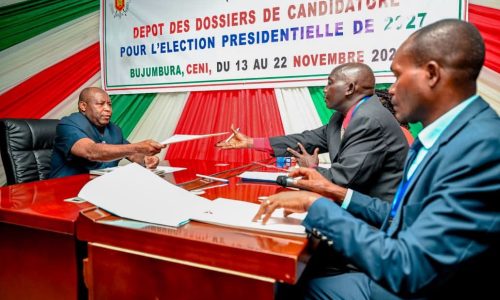
Among them is the possibility of increased public spending ahead of Burundi’s 2027 elections, which could weaken fiscal discipline and reignite inflationary pressures.
The organization also warned that falling prices for Burundi’s export commodities, particularly coffee and gold, could negatively affect government revenues and foreign exchange earnings.
Governance Reforms Key to Long-Term Development
Beyond short-term stabilization measures, IMF directors stressed that deeper structural reforms will be essential for sustainable and inclusive growth.
The institution identified agriculture, mining, and electricity as strategic sectors capable of transforming Burundi’s economy if properly managed.
The IMF also emphasized the importance of governance reforms, stronger public financial management, improved oversight of state-owned enterprises, and greater transparency.
According to the Fund, addressing governance challenges could help unlock investment, improve public services, and accelerate economic development.
What It Means for Ordinary Burundians
The IMF’s latest assessment paints a mixed picture.
On one hand, lower inflation, stronger exports, declining debt levels, and improved economic growth suggest that stabilization efforts are beginning to deliver results.
On the other hand, shortages of foreign currency, widespread poverty, weak institutions, and exposure to external shocks continue to limit the benefits felt by many households.
The challenge for Burundi’s leaders now will be to transform macroeconomic gains into tangible improvements in jobs, incomes, public services, and living standards for millions of citizens.