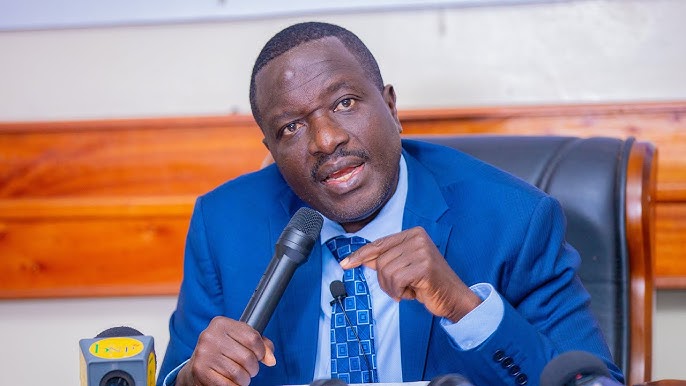
Burundi could remain trapped in economic stagnation—or even experience a decline—if urgent structural reforms are not undertaken, according to Faustin Ndikumana, co-founder and representative of PARCEM, following the presentation of the annual and multi-year budget framework guiding public expenditure.
Faustin Ndikumana says that despite the repeated production of planning instruments—including annual programs, budget frameworks, national development visions, and strategic plans—little meaningful change has been observed in practice. He calls on the government to clearly identify the real challenges and address them at their root, instead of relying on repetitive administrative processes.
A key concern raised by Faustin Ndikumana is the persistent challenge of corruption, which he says continues despite repeated political commitments to fight it. He points to ongoing economic malpractice that, in his assessment, has significantly weakened public administration.
He also notes the absence of visible progress in macroeconomic reforms, alongside a weak business environment that fails to attract both foreign and domestic investment.
Another issue highlighted by Faustin Ndikumana is the difficulty in mobilizing external financing and the limited effectiveness of support from development partners—particularly the World Bank—in strengthening institutions and improving policy implementation.
According to Faustin Ndikumana, without a decisive change in approach and concrete action, continued discussions and administrative formalities will not deliver results, leaving the country at risk of prolonged stagnation and possible regression.