Burundian civil society organization PARCEM has called for an urgent review of how the country finances its education sector, warning that stronger investment in schools, teachers and technology is essential to achieving sustainable economic development.
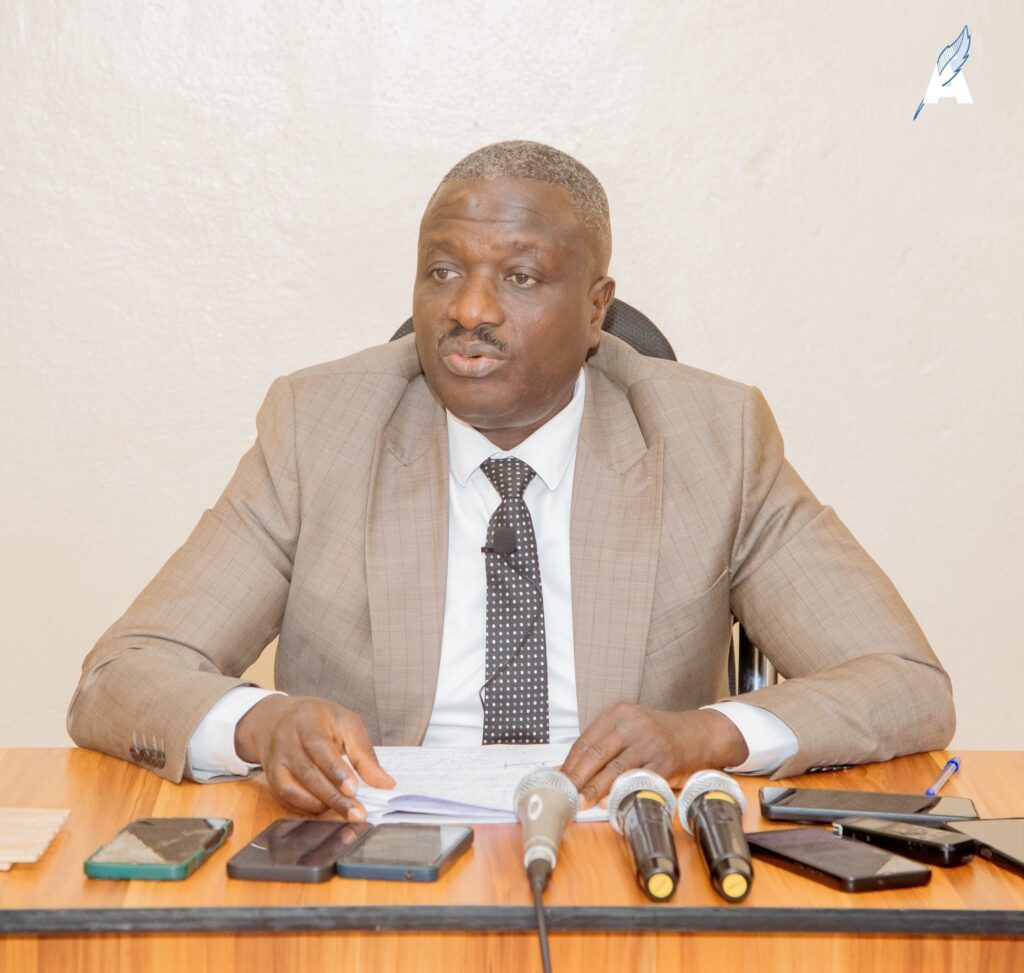
Speaking as the new school year begins, PARCEM Leader Faustin Ndikumana said education must be treated as a national priority and placed at the center of Burundi’s development strategy.
The organization argued that Burundi cannot achieve its ambition of becoming an emerging economy without a strong education system and broader access to technology.
“We cannot move toward emergence without solid education for our citizens. Without access to technology, it is impossible. It would simply be a dream — unimaginable,” Faustin Ndikumana said.
The organization also raised concerns about the growing size of Burundi’s national budget and the allocation of public resources.
According to PARCEM, the state budget has increased substantially over the past six years, while public debt has also risen sharply. It said the government must ensure that the growing resources available to the state are directed toward essential sectors such as education.
Despite Burundi’s efforts to increase mineral exports, PARCEM said the country continues to face a serious shortage of teachers. It argued that the recruitment planned for this year remains below the level required to meet the needs of the education system.
The organization also pointed to shortages of school infrastructure, saying inadequate classrooms and other facilities continue to undermine the quality of education.
Concerns over public spending
PARCEM questioned the transparency and effectiveness of public spending in several sectors, including government-supported cooperatives and other programs where it said the management of funds remains insufficiently transparent.
It also expressed concern about the limited capacity of public institutions responsible for monitoring government finances, arguing that stronger oversight is needed to prevent the misuse and diversion of public funds.
The organization further criticized what it described as widespread and poorly regulated tax exemptions, calling for deeper studies into their economic impact.
PARCEM said resources lost through poorly assessed exemptions and weak financial controls could instead be directed toward essential public services, including education.
Parents’ contributions under scrutiny
The organization also called for clearer rules governing financial contributions requested from parents in public schools.
While education is officially presented as free in the public system, PARCEM said some secondary-school administrators have introduced various contributions, creating confusion over what parents are legally required to pay.
It called for the government to clarify whether a ministerial order regulates such contributions and to clearly distinguish between expenses that should be covered by parents and those that should be financed through public funds.
PARCEM warned that without clear regulations and effective oversight, money collected from parents could be misused.
It also raised the possibility that certain unauthorized collections could amount to practices punishable under Burundi’s anti-corruption legislation and the Penal Code, depending on the circumstances.
‘Education must be at the center’
PARCEM said the start of the school year provides an opportunity to reopen the national debate on education financing and ensure that public spending reflects Burundi’s development priorities.
The organization called on authorities to increase investment in teachers, school infrastructure and technology while strengthening transparency and accountability in the management of education funds.
“We are calling, in the strongest terms, for the debate on education financing to be brought back to the center because it is fundamental for the sector to play its role,” Ndikumana concluded.