What happens after graduation? For many statistics students in Burundi, that question remains one of the most pressing as they prepare to transition from academic life to the professional world.
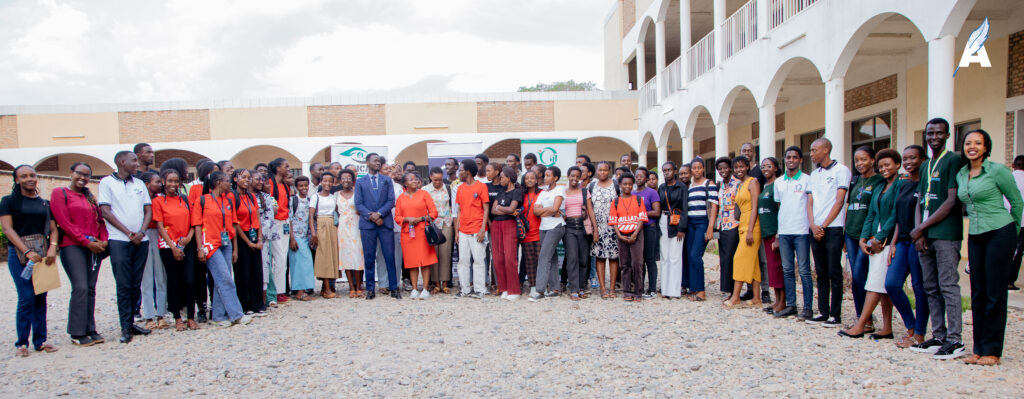
On June 11, 2025, students, academics, and industry professionals gathered at the Light University of Bujumbura for an academic conference and debate titled “Statistics After the Academic Journey.” Organized by the Institute of Research and Immersive Career Advancement (IRICA) in partnership with the Centre d’Innovation, Formation, Analyse et de Recherche Statistiques (CIFARS) and the Statistics Club of the Light University of Bujumbura, the event aimed to bridge the gap between university education and the realities of the labor market.
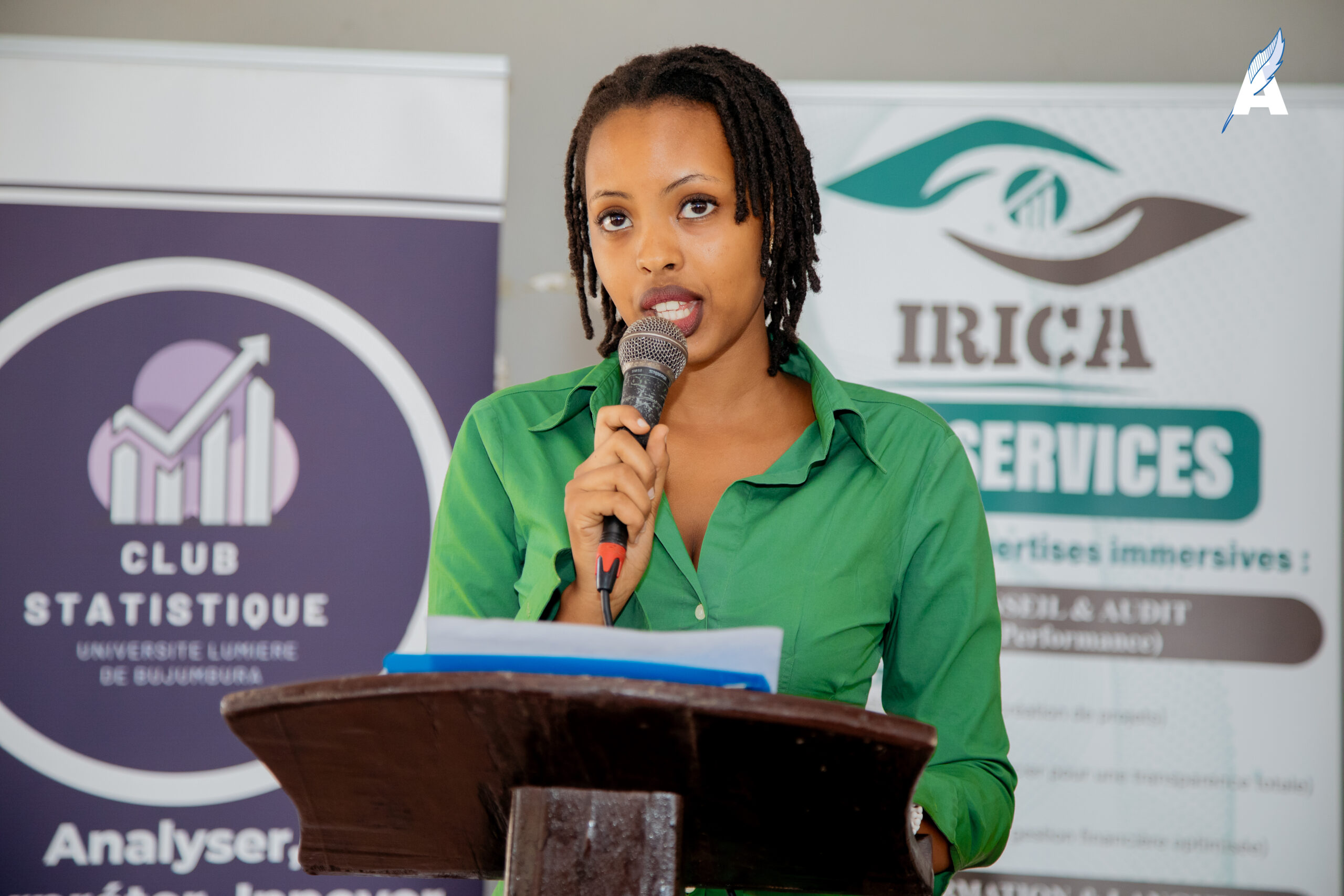
Opening the session, Belle Ange Edissa Ngabirano, Vice President of the university’s Statistics Club, welcomed participants and emphasized the importance of learning from experienced professionals. She noted that the discussions would help students identify the skills, opportunities, and practical steps needed to build successful careers after graduation.
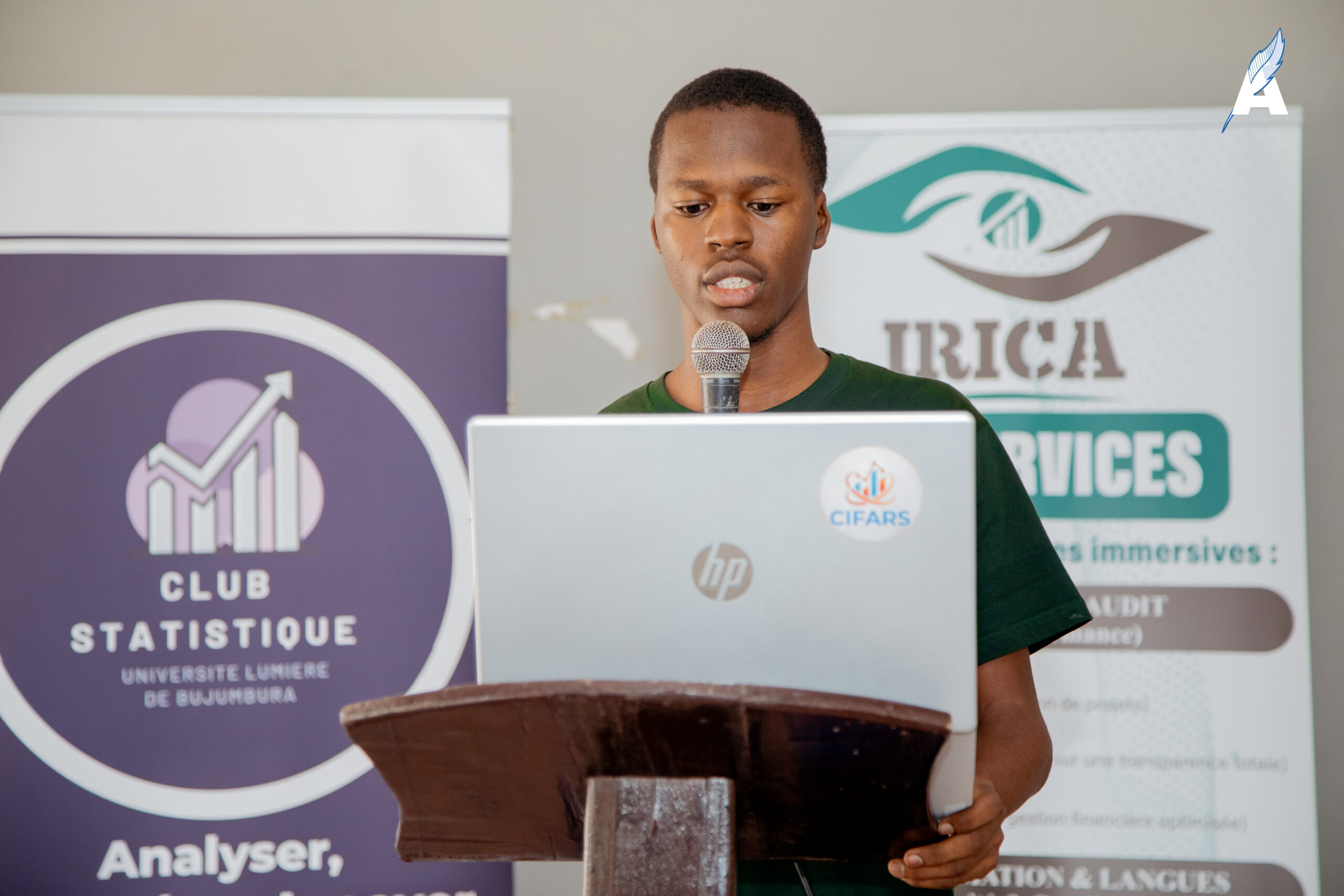
In his remarks, Zidane Ndungutse, President of CIFARS, highlighted the growing relevance of statistics across public institutions, private enterprises, and emerging technologies. He encouraged students to go beyond technical knowledge and develop analytical thinking, professional ethics, and problem-solving abilities.
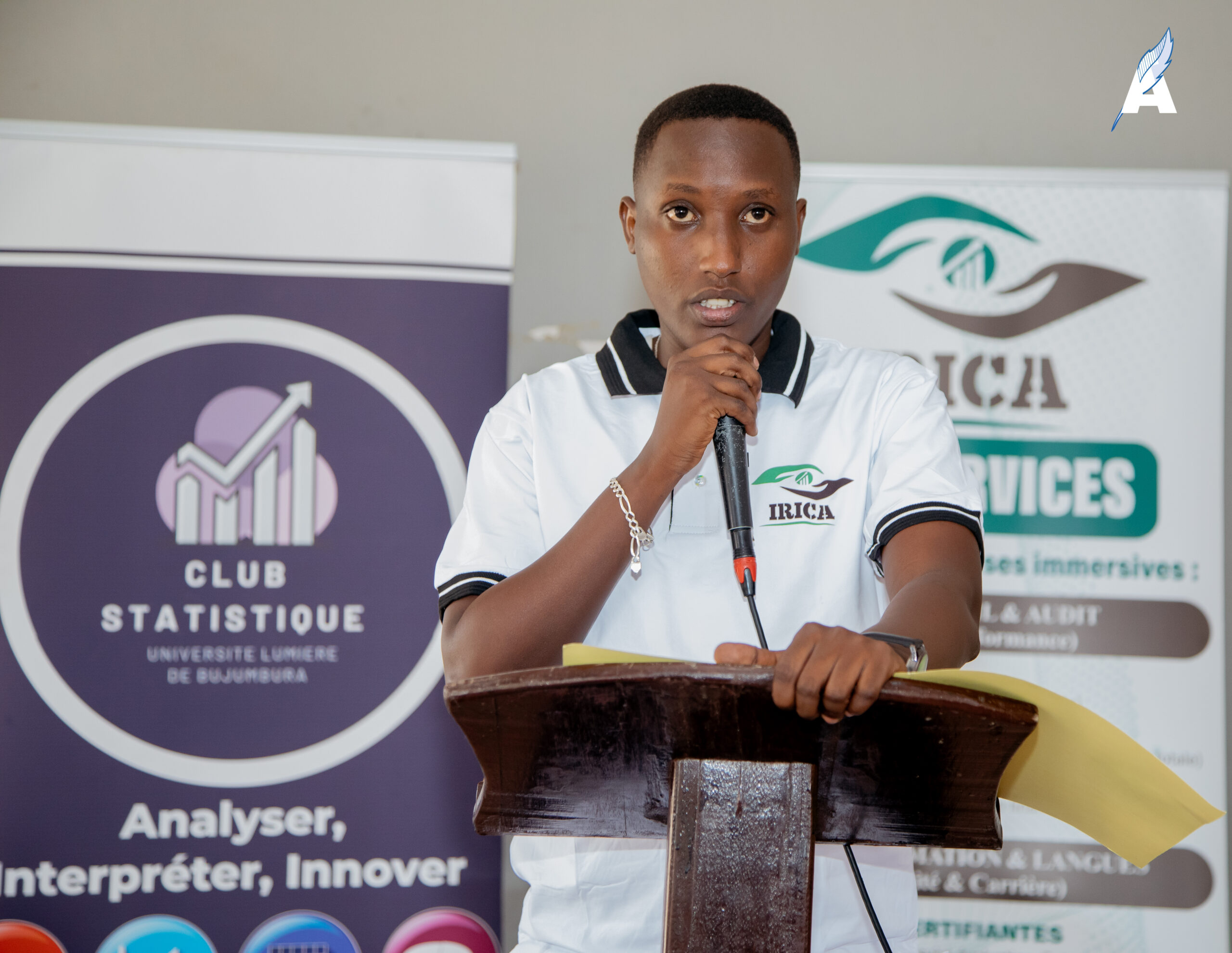
Representing IRICA, Juste Axel Ndikumasabo described the organization’s mission of connecting academia with the professional world. Founded in Bujumbura in October 2025, IRICA focuses on professional training, scientific research, institutional consulting, data analysis, policy evaluation, and supporting students and young graduates as they enter the workforce.
A key highlight of the event was a presentation by Alain Gabriel Nsengiyumva, a statistician and expert in data analysis and monitoring and evaluation. He underscored the indispensable role of statistics in modern society, describing it as a critical tool for decision-making, understanding complex phenomena, and forecasting future trends.
According to Nsengiyumva, statisticians today have opportunities in a wide range of sectors, including global health, economics, finance, technology, and big data. International organizations such as the World Health Organization (WHO) and the United Nations Population Fund (UNFPA) increasingly rely on statistical expertise to guide policy and development initiatives.
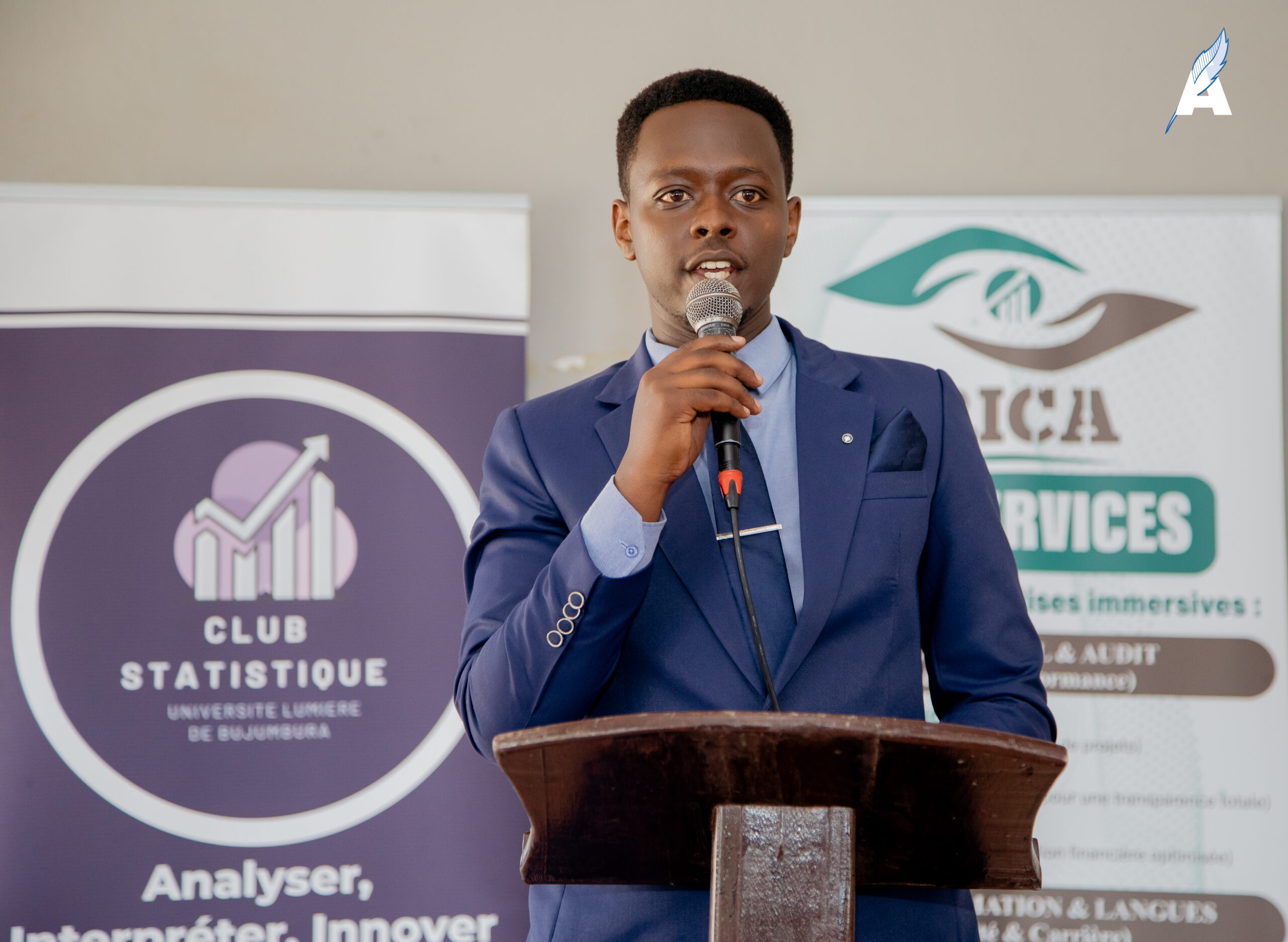
He also stressed that success in today’s job market requires more than academic qualifications. Proficiency in programming languages such as Python, data visualization techniques, communication skills, and teamwork are among the competencies most sought after by employers.
Beyond international applications, statistics continues to play a vital role in everyday decision-making. From agricultural productivity and climate forecasting to business planning and public policy, statistical analysis remains central to solving real-world challenges.
The conference concluded with an interactive panel discussion moderated by Aimée Brianna Nzeyimana, bringing together professionals from various sectors. Panelists shared personal experiences, career advice, and insights into the opportunities available to graduates. The discussion offered students a rare opportunity to compare classroom learning with the expectations and demands of the workplace.
As Burundi continues to invest in education and innovation, events such as this reflect a growing recognition that preparing students for employment requires more than academic instruction. It demands practical exposure, mentorship, and meaningful dialogue between universities and industry.
For the students who filled the conference hall, the message was clear: statistics is no longer confined to spreadsheets and classrooms—it is increasingly shaping decisions, industries, and the future of development itself.
The challenge now is whether Burundi’s emerging generation of statisticians will find the opportunities and support needed to turn their skills into lasting impact.