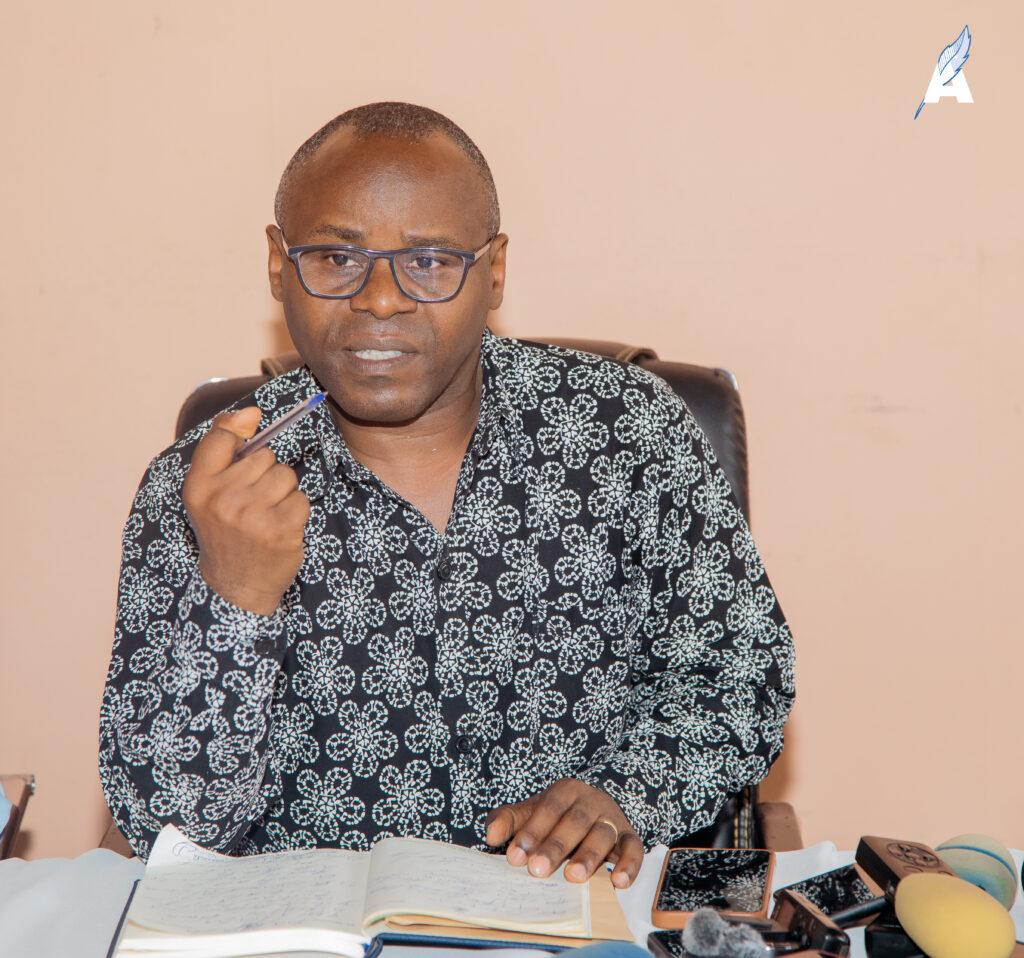
Burundi is facing a growing combination of economic and social pressures, including shortages of fuel, medicines, foreign currency, water and electricity, according to Gabriel Rufyiri, president of the Observatory for the Fight Against Corruption and Economic Malpractices (OLUCOME).
Speaking to journalists on September 24, 2026, Rufyiri listed 15 issues he described as evidence that the country is going through a difficult period. They include shortages of foreign currency, fuel, medicines, passports and driving permits, as well as limited access to water, electricity, housing, seeds, fertilizers and imported raw materials.
He also pointed to unemployment, rising housing costs and shortages affecting some locally produced goods.
Rufyiri argued that problems that initially appeared minor have become increasingly difficult for ordinary Burundians and businesses. He linked the situation to what he described as a leadership crisis, accusing authorities of failing to confront some of the underlying problems.
Housing costs, he noted, have risen sharply. He gave the example of a house that rented for around 300,000 Burundian francs in 2023 and now costs about 800,000 francs.
Agriculture is another area of concern. The OLUCOME president highlighted difficulties obtaining fertilizer and claimed that seeds had not yet arrived in the country, raising questions about the potential impact on farmers and food production.
The pressure extends to employment and household incomes. Rufyiri cited the example of a public employee earning around 900,000 francs a month while spending approximately 10,000 francs a day on transportation — close to 300,000 francs a month — before accounting for food, housing and other expenses.
He also highlighted the difficulties facing educated young Burundians in finding suitable employment. As an example, he referred to a Burundian graduate who, according to him, was selling doughnuts in Nairobi, Kenya.
The foreign-exchange market was another focus of his remarks. Rufyiri argued that some actors benefit from shortages and economic distortions, making certain abuses more difficult to address.
He also called for an investigation into an alleged case involving about 800,000 euros and the purchase of equipment for REGIDESO, Burundi’s water and electricity utility. According to the information he cited, the transaction allegedly involved fraudulent documents and a payment order from the Bank of the Republic of Burundi to a partner bank in Poland. He called on authorities to establish what happened and identify those responsible.
Fuel shortages remain particularly visible in Bujumbura, where long queues and traffic congestion have accompanied difficulties at some service stations. Rufyiri also referred to reported shortages in areas including Nyamitanga in Cibitoke and Rubaho in Rutana.
The combination of these pressures, he argued, is making everyday life increasingly difficult for many Burundians and raising broader questions about the country’s economic management.
Rufyiri called for national discussions involving government officials, civil society, journalists and citizens. He urged media organizations to organize public debates that would allow those responsible for addressing the challenges to respond directly and discuss possible solutions.
He also warned that prolonged economic hardship could deepen social vulnerability, saying extreme poverty may push some people toward desperate choices simply to secure food and shelter.
For OLUCOME, the proposed response is greater public dialogue, accountability and engagement between authorities and citizens over the problems affecting daily life.